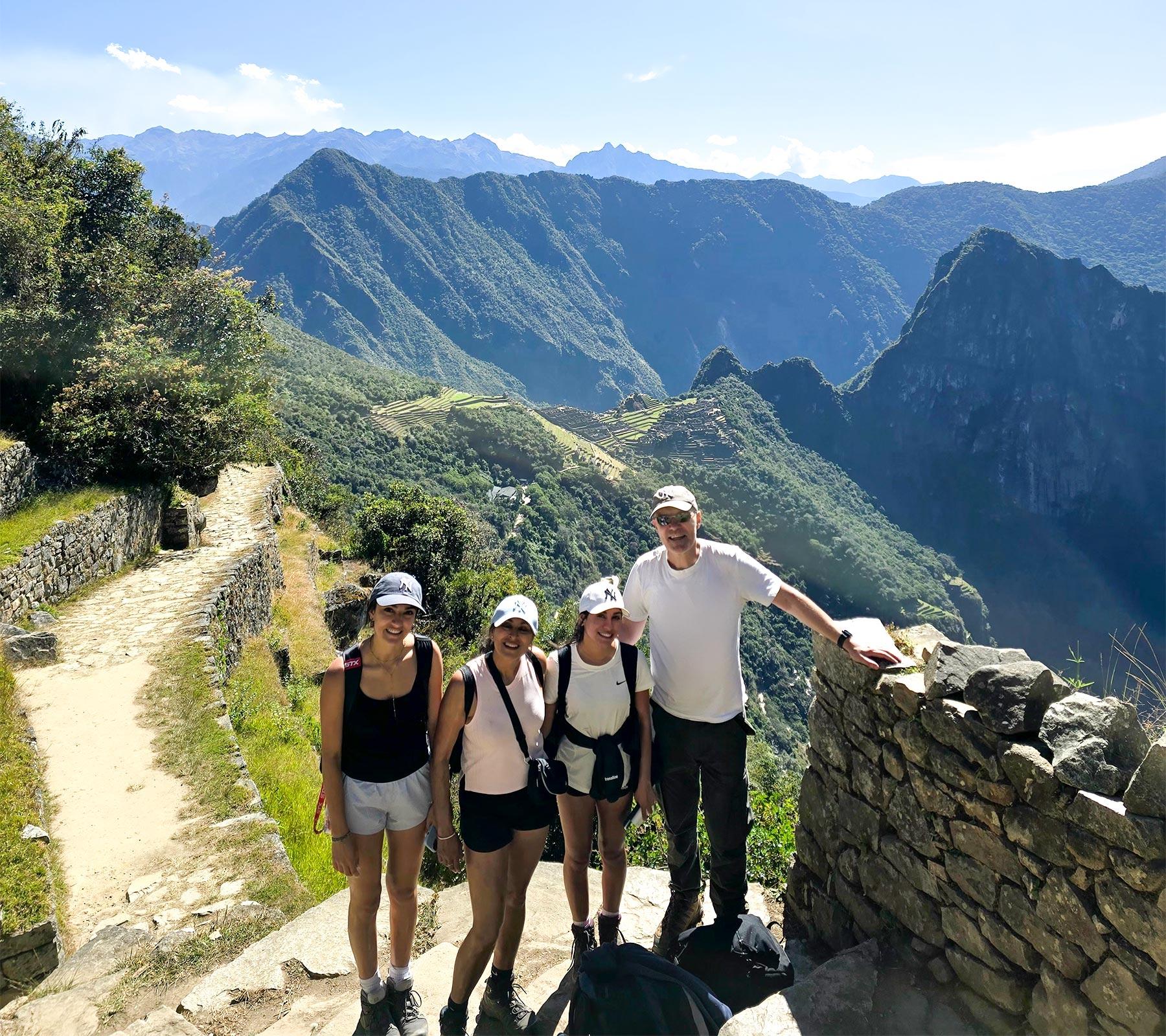
The Inca Trail is the most popular hiking route that leads to Machu Picchu, following part of the roads built by the Incas. Unlike other tours, it is not enough to just pick a date and organize the trip shortly before leaving.
But why can't you travel from one day to the next? This is because the number of people who can enter each day is limited to protect the trail and the archaeological sites. Also, permits are not bought individually; only authorized agencies can manage them with the Ministry of Culture.
That is why knowing when the Inca Trail 2027 sale opens makes a big difference when planning the trip. Will your ideal date still be there when you start booking? The spots for the most requested months usually sell out first, and those who get informed late often have to change the month or choose another route. Currently, for 2027 there is still no official confirmed date, and in this guide we tell you what is known so far.
In the following sections you will find when the permit sale opens, how the purchase works through authorized agencies, and which dates sell out first. You will also see how far in advance it is best to book, what routes exist, and what alternatives you have if your date no longer has spots. We update the information every time the Ministry publishes a statement.
When do Inca Trail 2027 ticket sales open?
Until the date of this review, the Ministry of Culture has not published a statement with the exact day when the sale or opening for 2027 will be enabled. What circulates are dates given by agencies and travel sites, and they do not match each other. To avoid confusion, here we separate what is confirmed from what is not yet.
It is good to have a distinction clear from the start. Inca Trail permits are bought by authorized agencies, and the traveler acquires them when booking a tour. On the other hand, general tickets to Machu Picchu are sold separately on the official platform of the Ministry and any visitor can buy them. So, if your plan is to do the Inca Trail, it is better that you book both tickets with a travel agency.
Current status of the dates
Last review: October 1, 2026
- Official date of the Ministry of Culture: Not confirmed yet.
- What some agencies indicate: That the release of permits for 2027 would start in October 2026.
- General tickets to Machu Picchu: Some sites place them between mid-December 2026 and January 2027. It is not confirmed.
- What to do in the meantime?: Check with an authorized agency about the availability of your dates and review the Ministry's statements.
When sales opened in previous years
The opening calendar has changed from one season to another. A few years ago, in some seasons the sale was enabled only in the first months of the same year of the visit. In recent years it was moved forward to the end of the previous year, so that agencies and travelers can plan with more margin.
For the past season, the Ministry announced the start date about two weeks in advance. That means the official notice can arrive with little time, and whoever waits for the statement to start organizing can find their dates already reduced.
Where to confirm the official date
These are the sources that should be checked:
- Ministry of Culture of Peru: Publishes statements with sale dates and changes in entry rules.
- tuboleto.cultura.pe: Official platform for buying Machu Picchu tickets. There it is confirmed when 2027 dates are enabled.
- Authorized Inca Trail agencies: Since they manage permits, they can tell you the real availability of your dates. Always ask if they have valid authorization.
How does the purchase of Inca Trail permits work?
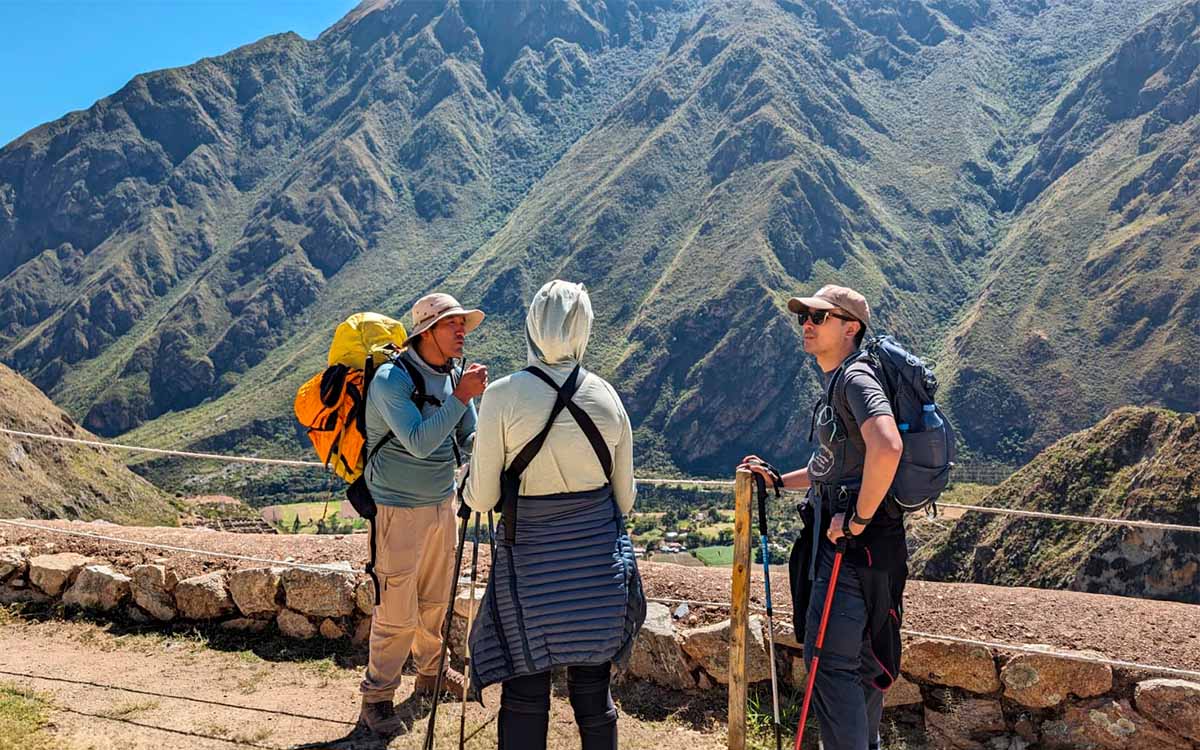
As mentioned in previous sections, the Inca Trail permit is not bought like a regular ticket. It is issued by the Ministry of Culture through the Decentralized Directorate of Culture of Cusco, and the traveler gets it by booking with an authorized agency. In practice, the process is this: you choose the date, the agency checks availability, you hand over your passport details, and the agency processes the permit under your name. That order explains why, before paying anything, it is best to ask if your date still has spots.
Why is it only bought through authorized agencies?
The Inca Trail is part of the Inka Trail Network, which is cultural heritage, and its access is regulated to protect the trail. That is why you cannot hike it on your own or buy the permit online as an individual traveler. It is also not possible to enter alone; the trek must be done with an authorized guide.
On the other hand, the Ministry of Culture manages the Inca Trail permits through a single platform for all operators. This means that no agency has blocks of spots reserved in advance, nor can it get spaces if the official system already marks zero. Even so, it is good to ask the agency:
- If it has current authorization to operate in the Inka Trail Network.
- If it can confirm the availability of your date before asking you for a deposit.
- What happens to the deposit if the permit is not obtained.
- What conditions apply if you need to change the date.
Daily spots and what percentage corresponds to support staff
For the classic 4 day route, the limit is 500 people per day. That figure includes travelers and also support staff (guides, porters, and cooks). The management of these spaces is distributed this way: about 300 spots correspond to support staff, meaning close to 60%, and around 200 remain for travelers, close to 40%.
These proportions are approximate and vary according to the size of each group and the amount of staff that accompanies it. That is why spaces sell out fast; the 500 spots do not equal 500 places for tourists.
What the permit includes (entry to Machu Picchu)
The permit grants you access to the Inca Trail Network and includes entry to the llaqta of Machu Picchu, so you do not need to buy an additional general ticket. At the end of the hike, the visit takes place in two stages:
- Arrival through Intipunku and upper panoramic sector: After crossing Intipunku (Sun Gate), you will descend along the old Inca trail until reaching the upper part of Machu Picchu. During this stretch you will be able to contemplate the panoramic view of the sanctuary and access the upper terraces sector, where the classic photograph of Machu Picchu is taken.
- Circuit 3 (Route 3-B): After descending from the panoramic zone, you will continue toward the control and exit sector. Then, you will reenter the llaqta of Machu Picchu to take Route 3-B of Circuit 3, whose access is previously managed by the authorized agency as part of the Inca Trail booking. This tour allows you to get a close look at different sectors of the lower part of Machu Picchu.
Other details you should keep in mind:
- The permit is nominative. It cannot be transferred or have the name changed. Passport details must be exact.
- Date changes are limited. Once the permit is issued, modifying the date may have costs or not be possible, depending on the agency.
- What the tour includes depends on each agency. Food, camping gear, porters, and transportation change from one operator to another. Compare what each price includes, not just the figure.
Availability of reservations for the Inca Trail
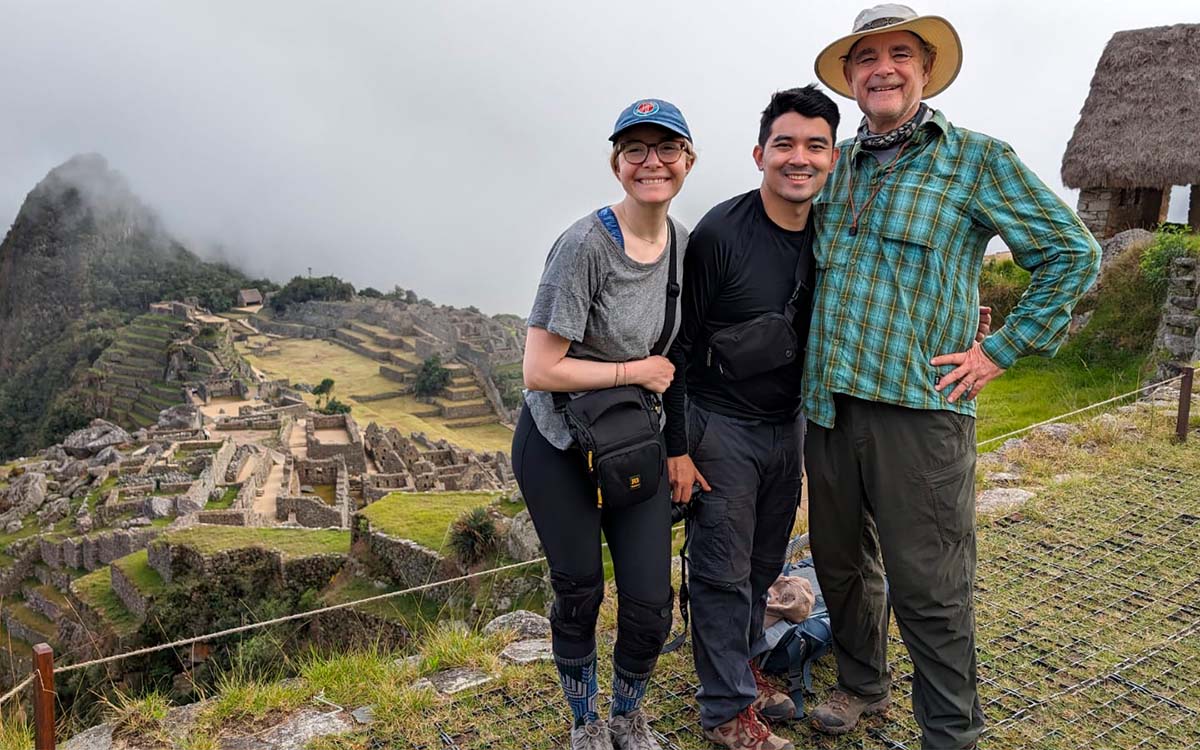
The availability of the Inca Trail changes a lot from one month to another. There are months when permits sell out almost immediately, another month when the trail is closed, and months when there are still places left with little advance notice. Understanding that calendar helps you choose a realistic date before starting to ask agencies.
High and low season
The high season coincides with the dry season, which goes approximately from May to September. In those months there is less rain and the trail is in better conditions, but there are also more visitors in Cusco and Machu Picchu. Nights can be very cold, especially in July and August.
The low season coincides with the rainy season, which starts toward the end of November and extends until March. There are fewer visitors and more chances of finding permits, in exchange for a more unpredictable weather.
| Season | Approximate months | What to expect |
|---|---|---|
| High season | May to September (some sources starting from April) | Dry weather, higher demand, and permits selling out earlier |
| Low season | December to March | Rains, fewer visitors, and easier date availability |
| Closure | February | Trail closed for maintenance |
| Transition months | April, October, and November | Variable weather and intermediate demand |
The Inca Trail closes every year during February for conservation and maintenance work. The closure affects all departures that start the trek in that month. If you want to travel in February, remember that you will not be able to do the Inca Trail, and it is best to ask the agency for an alternative route for those dates.
Dates that sell out first (June to August)
The most demanded months are June, July, and August, which combine dry weather with summer vacation in the Northern Hemisphere. Remember that out of the 500 daily spots, only about 200 are for travelers, so the dates of those months disappear fast. Long weekends and dates close to the June solstice tend to be among the first to fill up. Small group departures and 4 day route departures are the ones that sell out the most.
How far in advance to book?
There is no single official deadline. Recommendations vary, but they agree that the margin is measured in months. Since the 2027 sales opening date is not yet confirmed, the deadline is counted from the moment permits are enabled.
- For high season: Book six months in advance or more. Some agencies recommend a minimum of five months, and others talk about three to five. If you want to travel between June and August, the prudent thing is to go to the long end of that range and check availability as soon as the sale opens.
- For low season: About three months is usually enough, though booking earlier gives you more date options. December and January dates have more demand due to the year-end holidays, so it is not a good idea to leave them for the last moment.
What to do if your date no longer has spots?
- Ask for nearby dates. Moving a few days before or after can be enough, especially if you avoid weekends.
- Change the month. April, May, September, and October usually have more availability than June to August, with still favorable weather.
- Check other Inca Trail routes. Like the short 2-day Inca Trail, so ask your agency for its availability.
- Choose a trekking alternative. Salkantay, Lares, Inca Jungle, and Choquequirao are options that do not depend on classic Inca Trail permits. These tours do not include entry to Machu Picchu, so you will have to buy the ticket separately at tuboleto.cultura.pe.
- Do not rely on name or date changes later. The permit is nominative and cannot be transferred, so it is best to decide with certainty before paying.
Routes and alternatives of the Inca Trail
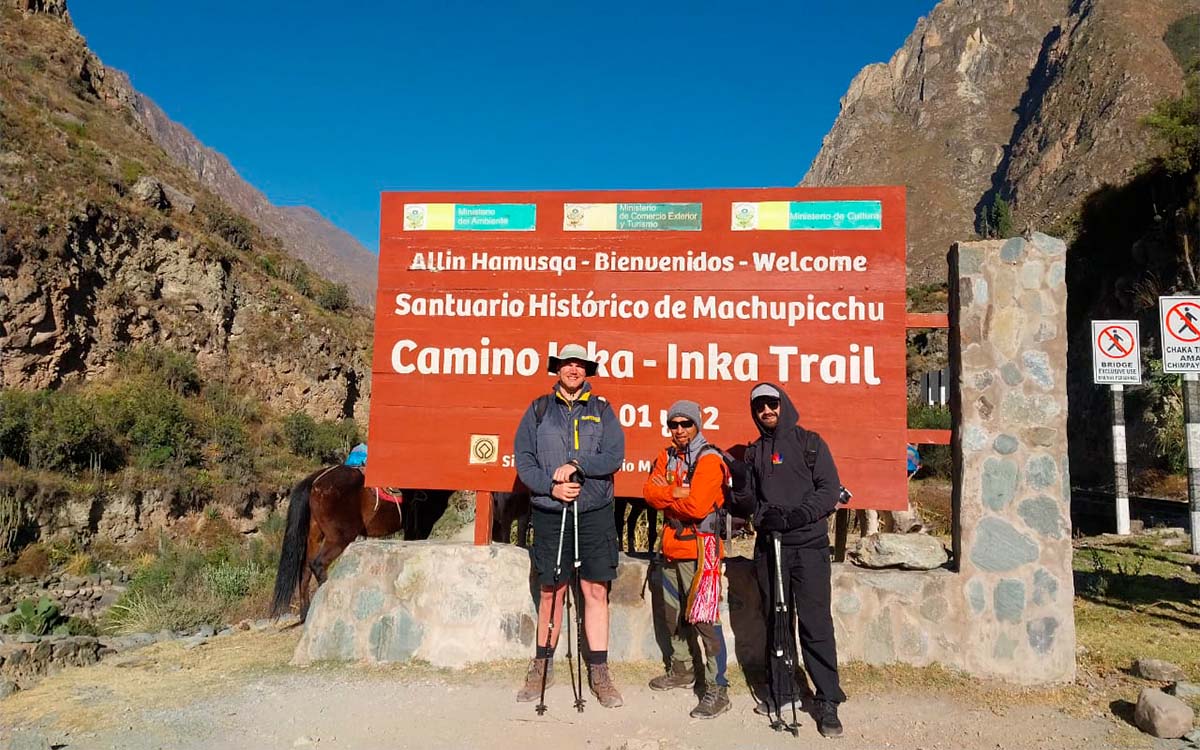
The Inca Trail is not a single trek, there are variants that change in duration, physical effort, and way of getting to Machu Picchu. Choosing well from the beginning avoids changing plans when dates are already set aside. The variants that use Inca Trail permits (the classic 4 day, the short 2 day, and the 5 day) depend on spots. The trekking alternatives you will see at the end do not need them.
Before deciding, it is good to answer three questions: how many days you can dedicate, how your physical condition is for walking at more than 4,000 meters, and how flexible you are with dates.
1. Classic 4 day Inca Trail
It is the best-known route. The trek starts at kilometer 82, at about 2,700 meters of altitude, covers between 42 and 45 kilometers, passes through sites like Runkurakay, Sayacmarca, Phuyupatamarca, and Wiñay Wayna, and enters Machu Picchu through the Sun Gate (Inti Punku). It includes passes of more than 4,000 meters, and the second day is the most demanding.
- Who is it for?: It is for travelers with good physical condition who want the complete experience.
- What to keep in mind: It is the route with the highest demand. Its dates sell out first, especially from June to August.
2. Short 2 day Inca Trail
It is a shorter and less demanding version. You take the train from Ollantaytambo to kilometer 104, from where you walk about 11 or 12 kilometers passing through Chachabamba and Wiñay Wayna to the Sun Gate. The first night is slept in Aguas Calientes, and the next day Machu Picchu is visited.
- Who is it for?: It is for travelers with little time, limited trekking experience, or traveling with people who would not withstand 4 days of walking.
- What to keep in mind: This route has its own spots (also limited), and some dates sell out months in advance.
3. Inca Trail 5 days
It is a slower version of the classic route. It follows the same 4 day trail, but with a calmer rhythm and more time at each archaeological site, which reduces daily effort.
- Who is it for?: It is for those who want to do the complete journey, but with more time to acclimate, photograph, and visit the ruins calmly.
- What to keep in mind: Not all agencies offer it, and the itinerary changes between operators. Confirm if it uses the same permits as the classic route and which nights are spent camping.
4. Alternatives if there are no permits
If your date has no spots, these routes allow you to hike to Machu Picchu or see other Andean landscapes without depending on Inca Trail permits. In most cases they do not include entry to Machu Picchu:
- Salkantay: A 4 or 5 day mountain trek that borders the Salkantay snow-capped peak and exceeds 4,600 meters at its highest point. It crosses very varied landscapes, from glaciers to high jungle, and is the most chosen alternative to the Inca Trail.
- Lares: A 3 or 4 day trek that combines high-altitude landscapes with visits to Andean communities and natural hot springs. It is less crowded and puts more emphasis on local and cultural life.
- Inca Jungle: An adventure route of about 4 days that combines mountain biking, trekking, rafting, and ziplining. It is the most active and the least focused on ruins.
- Choquequirao: A multi-day hike toward the Inca llaqta of Choquequirao, in the Apurimac canyon. It is demanding due to the steep descents and ascents, but it receives many fewer visitors than Machu Picchu and is a good option for those looking for a more secluded experience.
| Route | Approximate duration | Effort | Requires Inca Trail permit |
|---|---|---|---|
| Classic Inca Trail | 4 days | High | Yes |
| Short Inca Trail | 2 days | Low to medium | Yes |
| 5-Day Inca Trail | 5 days | Medium to high | Yes |
| Salkantay | 4 or 5 days | High | No |
| Lares | 3 or 4 days | Medium | No |
| Inca Jungle | 4 days | Medium | No |
| Choquequirao | 4 to 5 days | High | No |
2027 Inca Trail Prices
The price of the Inca Trail depends on the type of service you choose, but also on what each offer includes. That is why comparing only the figure can lead to bad decisions: two tours with similar prices can have very different things included. The values in this section are referential and may change when the 2027 sale opens.
Price range by type of service
| Type of service | Reference range |
|---|---|
| Classic 4 day Inca Trail, group | From around US$ 750 to US$ 1,150 |
| Classic 4 day Inca Trail, private | From around US$ 1,200 |
| Short 2 day Inca Trail | Around US$ 550 to US$ 670, depending on accommodation in Aguas Calientes |
| Packages with Inca Trail plus Sacred Valley and Cusco (7 to 8 days) | From around US$ 1,400 |
The 5 day Inca Trail does not have its own range, because it is offered by few agencies and the price depends on the itinerary of each one.
What makes the price change?
- Type of service: Shared group costs less than private.
- Group size: Small groups usually cost more.
- Return train: The train service (Expedition, Vistadome, or another) changes the price.
- Accommodation and meals: The hotel category in Aguas Calientes and the level of meal service on the trail.
- Departure date: The months of highest demand may cost more.
What is included and what is not?
What is included depends on each agency, so it is best to ask for details before booking. In general, these are the usual services.
Normally included:
- Inca Trail permit with the entry ticket to Machu Picchu.
- Authorized guide, porters, and cook.
- Tent, meals during the trek, and transportation to the start of the trail.
- Guided tour of Machu Picchu.
- Return train to Cusco or Ollantaytambo.
Normally not included:
- The first breakfast and the last meals in Aguas Calientes.
- Sleeping bag and hiking poles, which are rented for about US$ 20 each for the four days.
- An additional porter for your luggage, which costs approximately between US$ 95 and US$ 190, depending on the allowed weight.
- The climb to Huayna Picchu mountain or Machu Picchu mountain, which has an extra cost of between US$ 70 and US$ 80 and requires booking in advance (you cannot climb both on the same tour).
- Additional nights in Aguas Calientes, tips, travel insurance, and personal expenses.
How to prepare before booking
1. Necessary documents
The permit details must match your passport exactly. To book, the agency will ask you for:
- Full name as it appears on the passport.
- Passport number, nationality, and date of birth.
- A copy of the main page of the passport.
During the trek you will need to carry your original passport. Without that document, entry to the trail is not allowed. In addition, the passport must have a minimum validity of six months upon entering the country. If you renew it after booking, notify the agency before the trip, because the permit is associated with the document.
It is also recommended to have travel insurance that covers trekking activities and medical care at high altitude.
2. Acclimatization in Cusco
Cusco is about 3,400 meters above sea level, and the Inca Trail exceeds 4,000 meters at its highest point. That is why it is recommended to arrive in Cusco between 2 and 3 days before starting the trek. These days serve for your body to adapt to the altitude, and you can take advantage of them to tour the city and the Sacred Valley, which is at a lower altitude, at a calm pace.
If you have any medical condition, consult your doctor before traveling.
3. Physical condition and recommended season
You do not need to be an experienced hiker, but you do need to have a reasonable physical condition. The classic route includes several ups and downs, with passes of more than 4,000 meters. The second day is the most demanding, and the highest point is the Warmiwañusca pass, at 4,215 meters. The previous weeks it is convenient to train with long hikes and elevation changes, and test your footwear before the trip.
The dry season, from May to September, is the most recommended for the weather, although it is also the most crowded. In July and August nights are cold. April, October, and November can be a good alternative, with more availability. The rainy season starts toward the end of November, and in February the trail is closed.
Frequently asked questions
- When do 2027 Inca Trail permits come out?
Until October 1, 2026, the Ministry of Culture has not confirmed the sale date for 2027. Some agencies indicate that the release of permits could start in October 2026, but that information is not official. For the previous season, the Ministry announced the date about two weeks in advance. The most practical thing is to check with an authorized agency about the availability of your dates and review the statements of the Ministry of Culture and tuboleto.cultura.pe. - Can I buy the permit on my own?
No. The Inca Trail permit is managed through authorized agencies and is not sold to individual tourists. Nor can the trek be done without an authorized guide. When booking, the agency processes the permit under your name with your passport details, and the Machu Picchu entry ticket is included. - How many people enter per day?
The limit is 500 people per day on the classic route. That figure includes travelers and support staff (guides, porters, and cooks). According to data from various agencies, about 200 spots correspond to travelers and about 300 to support staff. - Can the date be changed after booking?
It is difficult. The permit is nominative and cannot be transferred or have the name changed. Some agencies allow rescheduling the date with an additional fee if there is availability, and others indicate that permits are non-refundable. Before paying, ask in writing for the cancellation and rescheduling policy, and confirm what part of the advance payment is refunded. - What happens if there are no spots?
You have several options:- Move a few days or change the month. April, May, September, and October usually have more availability than June to August.
- Check other variants of the Inca Trail. The short 2 day Inca Trail has its own spots.
- Choose a trekking alternative. Salkantay, Lares, Inca Jungle and Choquequirao do not depend on Inca Trail permits. In these cases, the Machu Picchu ticket is bought separately at tuboleto.cultura.pe.