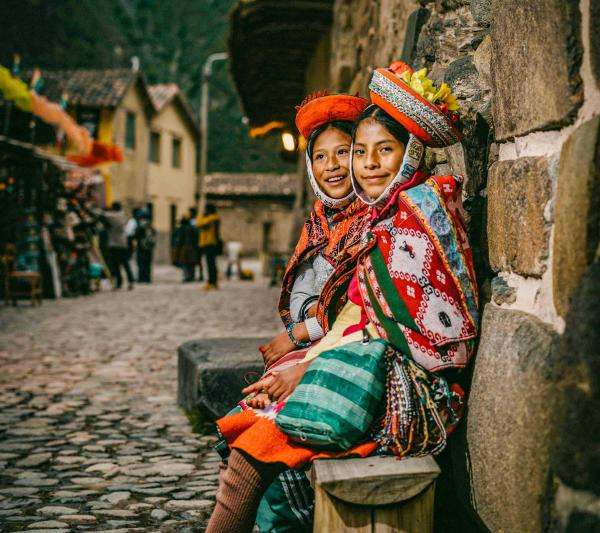
Come discover the incredible and traditional Inti Raymi festival in the historic capital of Peru! At the highest point of the ceremony, the Plaza de Armas of Cusco fills with people watching the Inca raise his arms to the sun and speak to it in Quechua. It is the part of the celebration that creates the most expectation every year. Inti Raymi is the recreation of the Inca festival dedicated to the Sun god (Inti), done historically to ask for good harvests and give thanks for the end of a farming cycle.
This celebration is considered one of the most important festivals in South America because it mixes history, identity, and a performance that gathers thousands of attendees every year in Cusco. Its origin goes back to the Inca Empire, it was banned during colonial times, and it was brought back in 1944 thanks to the initiative of a group of intellectuals from Cusco, who rebuilt the ceremony using historical records. Since then it has become a cultural landmark that attracts both Peruvians and foreign tourists.
In this blog we will explain the meaning of Inti Raymi, how the ceremony takes place in its different locations (Qorikancha, the Plaza de Armas and Sacsayhuaman), the dates and tips to attend, and some practical facts for those planning to travel to Cusco during this celebration.
What is Inti Raymi? Origin and history
The name "Inti Raymi" comes from Quechua and means "festival of the sun". It is the way the Incas called this ceremony dedicated to their main god, Inti, the Sun god.
In the Inca Empire, Inti Raymi was done to thank Inti for the harvests of the year and ask for prosperity for the next farming cycle. The date was not chosen by chance, it matches the winter solstice in the southern hemisphere, the day when the sun is furthest from the Earth, a moment full of meaning for a civilization whose economy depended on farming.
During colonial times, Spanish authorities banned this and other Inca religious ceremonies considering them against the Catholic faith, and the celebration disappeared for centuries. It was just brought back in 1944 thanks to the initiative of Humberto Vidal Unda and Faustino Espinoza Navarro, who rebuilt the ceremony using colonial records, among them those of Garcilaso de la Vega. Since that year, Inti Raymi is performed yearly in Cusco.

When is it celebrated?
Inti Raymi is celebrated every June 24 in Cusco. Unlike other festivals in the Inca calendar, this date does not change from one year to another: it was set like this since the rebuilding of the ceremony in 1944.
Why June 24? The date matches the winter solstice in the southern hemisphere, the day of the year with the fewest hours of sunlight. For the Incas, this moment marked the point where the sun went furthest from the Earth, so the ceremony wanted to ask it to "return" and bring with it a new cycle of harvests.
The week of festivals in Cusco
Inti Raymi is the end of a group of celebrations known as the Cusco Week (or Jubilee Week), which extends during the days before June 24. During this week the following are usually done:
- Parades and street bands with traditional dances from different provinces of the region
- Music and popular art shows in public spaces of the city
- Craft and food fairs

How the ceremony unfolds
The performance of Inti Raymi is organized as a sequence of three acts, each in a different venue in Cusco.
- Qorikancha: The ceremony starts at the Qorikancha, the old temple dedicated to the worship of the Sun during the Inca Empire. Here the actor who plays the Inca makes a first call to Inti and formally starts the day, joined by his group of priests, ñustas (noble women) and warriors.
- Plaza de Armas: From the Qorikancha, the group moves to the Plaza de Armas, where the Inca speaks to the gathered people. It is one of the most crowded sections, since access is free and gathers thousands of people around the plaza.
- Sacsayhuaman: The final and most elaborate section takes place on the grounds of Sacsayhuaman, outside the city. There the central ceremony takes place, with the participation of more than 700 actors and dancers.

About the role of the Inca
The actor who plays the Inca is chosen through a yearly casting and takes on a central role: he leads each section, gives the speeches in Quechua, and symbolically guides the offerings to the Sun. It is considered one of the most important and fought-over roles in Cusco's performing arts.
Key moments of the ceremony
- The speech to the sun: The Inca speaks to Inti in Quechua, giving thanks for the harvests and asking for well-being for the following year.
- The offerings: Symbolic items are presented, like coca leaves, chicha (fermented corn drink), and other farming products.
- The symbolic sacrifice of the llama: A priest does a symbolic reading of the insides of a llama (performed, not real) to "predict" the future of the year, in reference to the Inca practice of reading omens.
Costumes, music and dances
The more than 700 participants wear outfits inspired by Inca clothing, made with bright colored fabrics, feathers and ceremonial items. The music is played with traditional Andean instruments like the quena, the pinkuyllo and drums, while different groups of dancers represent the four regions of the Tahuantinsuyo (Chinchaysuyo, Antisuyo, Collasuyo and Contisuyo).

Where to see Inti Raymi?
There are two ways to watch Inti Raymi: for free in some sections, or with a paid ticket in the venues with a limited capacity.
-
Qorikancha and Plaza de Armas
The Plaza de Armas is completely free to access and is where the largest amount of people gather. It does not require a ticket or prior booking, though it is a good idea to arrive several hours in advance to get a good spot.
At the Qorikancha, however, there are numbered paid seats, but a large part of the public prefers to watch this first part standing and for free from the outside gardens on Av. El Sol, an area that also usually fills up from early morning. -
Sacsayhuaman
The Sacsayhuaman grounds is the only venue where entry is with a ticket. Here the central ceremony takes place, the longest of the three (more than 2 hours).
Approximate prices per venue
Qorikancha Temple (first stage, ~45 minutes)
| Ticket type | Price (S/) | Approx. price (USD) |
|---|---|---|
| General public | S/ 235.00 | $70 |
| National (Peruvian) | S/ 150.00 | $45 |
| Children / guides | S/ 120.00 | $35 |
Sacsayhuaman Esplanade (main stage)
| Stand / area | Location and view | General price (S/) | Children (S/) |
|---|---|---|---|
| 🟠Inti – Super VIP | Preferred central view, facing the Inca | S/ 850.00 | S/ 430.00 |
| 🟡 Killa – VIP | Central view with excellent angle | S/ 730.00 | S/ 365.00 |
| 🔴 Chaska | Side-central view, close to the stage | S/ 680.00 | S/ 340.00 |
| 🟢 Illapa | Peripheral side view | S/ 490.00 | S/ 250.00 |

How and where to buy tickets
Tickets for Qorikancha and Sacsayhuaman are bought through the official sales channels set up by the Municipality of Cusco, as well as at authorized sales points in the city. Due to the high demand, it is recommended to buy them several weeks in advance, especially for the VIP areas of Sacsayhuaman.
Recommendations for areas and viewpoints
- If you are looking for the best balance between view and budget in Sacsayhuaman, the Chaska area usually offers a good angle without the cost of the Super VIP or VIP areas
- For those who prefer the free experience, arriving at the Plaza de Armas or the gardens of Av. El Sol before sunrise is key to getting a good spot
- The surroundings of Sacsayhuaman (outside the venue) also allow you to see part of the atmosphere and the arrival of the group, though without a direct view of the central ceremony
Practical tips for the traveler
Book your lodging in advance
June 24 matches the high tourist season in Cusco, and the city gets a very high flow of national and foreign visitors for Inti Raymi. It is recommended to book your lodging in advance, since downtown hotels usually sell out fast and prices tend to go up as the date gets closer.
What to bring
The weather in Cusco in June is known for sunny days and cold nights, typical of the dry season. Some recommended items:
- Sunscreen: The solar radiation in Cusco is intense due to the altitude, even on cold days
- Warm clothing: Temperatures can drop a lot during the night and early morning, especially if you wait from early on in the Plaza de Armas or in Sacsayhuaman
- Water: Long exposure to the sun and the altitude can cause dehydration
Altitude and altitude sickness
Cusco is located at more than 3,300 meters above sea level, so altitude sickness (soroche) is a real possibility, especially for those who arrive right from coastal cities. Some general tips:
- Arrive in Cusco one or two days in advance to allow getting used to the altitude before the event
- Avoid drinking alcohol the first day
- Drink plenty of water and teas like coca tea, traditionally used in the are
- Avoid intense physical effort during the first hours after arrival
What else to do in Cusco that week?
The Cusco Week is a good chance to explore other attractions in the city and its surroundings, many of them directly related to the Inti Raymi ceremony.
Add these places to your visit
- Sacsayhuaman: Besides being the main venue for the ceremony, this Inca fortress can be visited calmly on other days of the week to see its architecture without the crowds of June 24.
- Qorikancha: The old Sun temple, opening stage for Inti Raymi, is one of the most important archaeological sites in Cusco and deserves a closer visit outside the context of the ceremony.
- Plaza de Armas: The heart of the city, surrounded by colonial architecture built on Inca foundations, with its own history beyond Inti Raymi.
- Cusco food: The Cusco Week is also a good time to try traditional dishes from the region, many of which are offered at the food fairs organized during those days (link to Cusco food blog)

Suggested itinerary: Inti Raymi + Machu Picchu
For those traveling from outside Peru, mixing Inti Raymi with a visit to Machu Picchu allows you to make the most of the trip to Cusco. A possible itinerary:
- Days 1-2: Arrival in Cusco, getting used to the altitude and visiting nearby places like Qorikancha, Plaza de Armas and Sacsayhuaman
- Day 3: Inti Raymi celebration (June 24)
- Days 4-5: Transfer to the Sacred Valley and visit to Machu Picchu, either by train or through one of the available trekking routes
- Day 6: Return to Cusco or continue the trip based on the visitor's plan
This mix allows you to live one of the most important cultural celebrations in South America and, on the same trip, see one of the seven wonders of the modern world.