The archaeological complex is located in a high valley hidden in the Andes Mountains. The structures are built of stone, with bricks assembled without mortar, following the ancestral construction techniques of pre-Hispanic cultures.
The hike begins in the village of Vischongo, a small town where the route starts. The trail crosses a natural area, offering the opportunity to observe the typical flora and fauna of the ecosystem, until reaching the first part of the complex.
Historical research indicates that the Intihuatana complex was of paramount importance to the highest echelons of the Inca Empire. The structures include a tower, the sundial or Intihuatana, the Inca baths, a palace, and a ritual stone called the "sacrifice stone."
The 13-Angled Stone
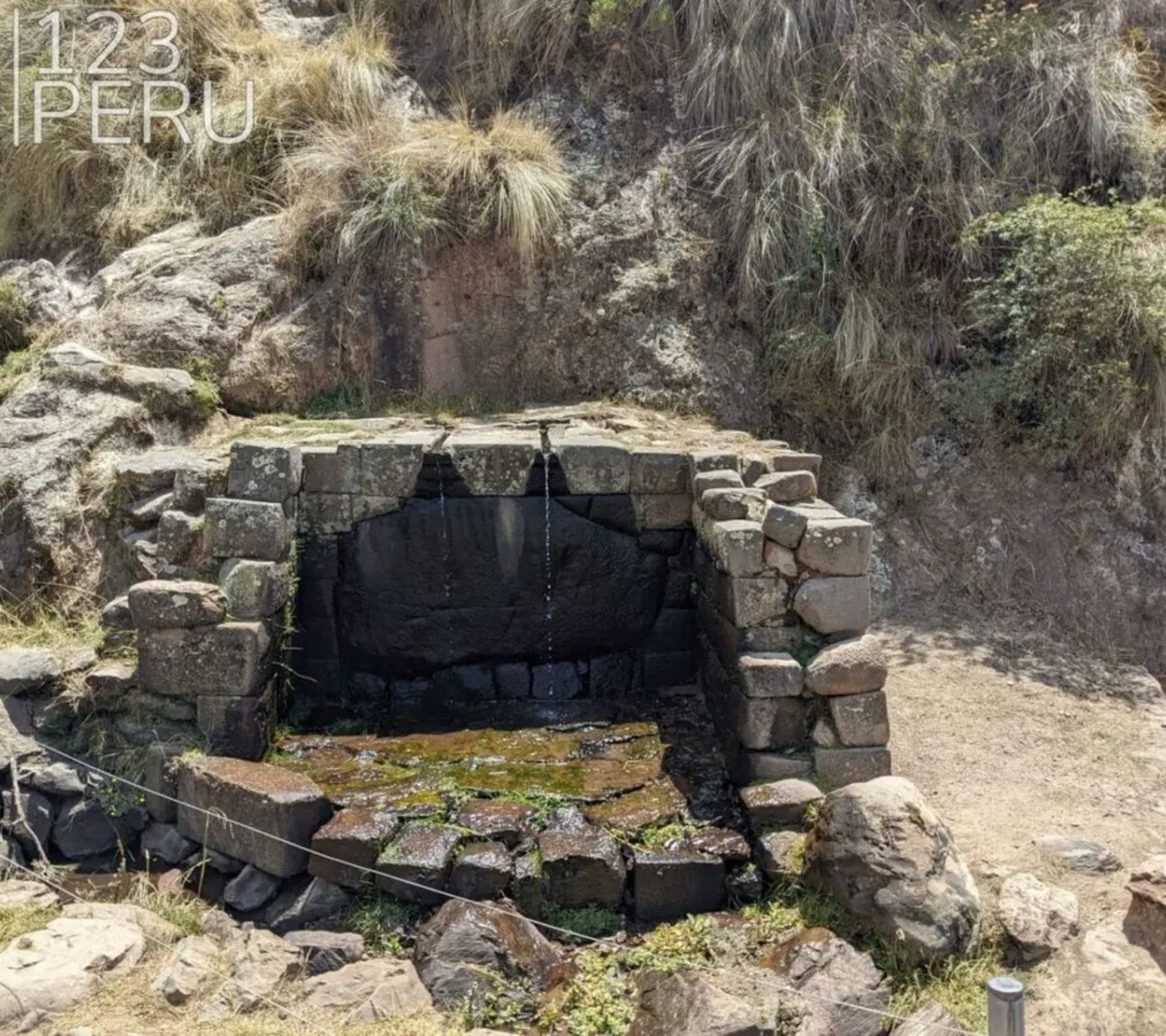
One of the stones found in the Inca Baths area has 13 angles. This stone is perfectly fitted with the rest of the carved stones of the structure, which has stood for over 500 years. The canal that collects the water and feeds the Pumacocha lagoon has been in operation ever since.
What to see and do at the Intihuatana Archaeological Complex?
Mountain trekking is the main activity to enjoy when visiting the Pumacocha complex. It is located at 3,126 meters above sea level and is reached by following a trail marked over centuries.
Visit the complex without missing any of the buildings. Walk around the tower and discover the sundial, or Intihuana.
Marvel at the foundations of the Inca palace, walk by the ritual stone, called the "sacrifice stone," and proceed to the Inca baths.
Admire the construction of the water channel that has been functioning since time immemorial. Don't forget to wet your head in the Inca baths.
Behold the vastness of the Andean landscape and its flora and fauna, such as the Puya raimondii, a gigantic plant that produces the world's largest inflorescence, reaching up to 8 meters in height.
How to get to the Pumacocha archaeological site?
The best way to reach the archaeological site is to take public transportation from Ayacucho to the town of Vischongo. Vans depart from the Ayacucho bus terminal, located on the road to Huanta, north of the city. The fare is 15 soles, but it may increase on holidays. The journey takes approximately two and a half hours.
From Vischongo, walk towards the edge of town, cross the bridge, and begin walking along the path to the archaeological site. If you are going independently, you should leave Ayacucho very early, as return transportation operates until approximately 2:00 pm.
You can also visit on a tour, which can be booked through one of the several companies operating around the Plaza de Armas in Ayacucho.
Recommendations:
- The archaeological site is located at an altitude of 3,126 meters. Wearing long sleeves and a hat is highly recommended to protect yourself from the sun.
- Bring a bottle of water to stay hydrated and take the walk at a leisurely pace.
- Explore the structures and admire the Inca construction techniques. Do not scratch the stones or monuments.
- This is a historical and archaeological site of sacred significance to the local inhabitants. Therefore, please follow the guides' recommendations.
- Wet your head under the Inca Baths' water jet. Locals say that the energy flowing down from the mountain is beneficial to your health.
- Enjoy the scenery and the magnificence of the Inca construction.