Situated in the heart of the Peruvian Andes, Rainbow Mountain (locally known as Vinicunca) has become one of the Cusco region's most iconic geological destinations. Reaching the main summit involves a high-altitude hike of over 5,000 metres (16,400 feet) above sea level. While this trek is a physically demanding challenge requiring proper acclimatisation, it provides travellers with an unparalleled connection to the dramatic geography of the Ausangate mountain range.
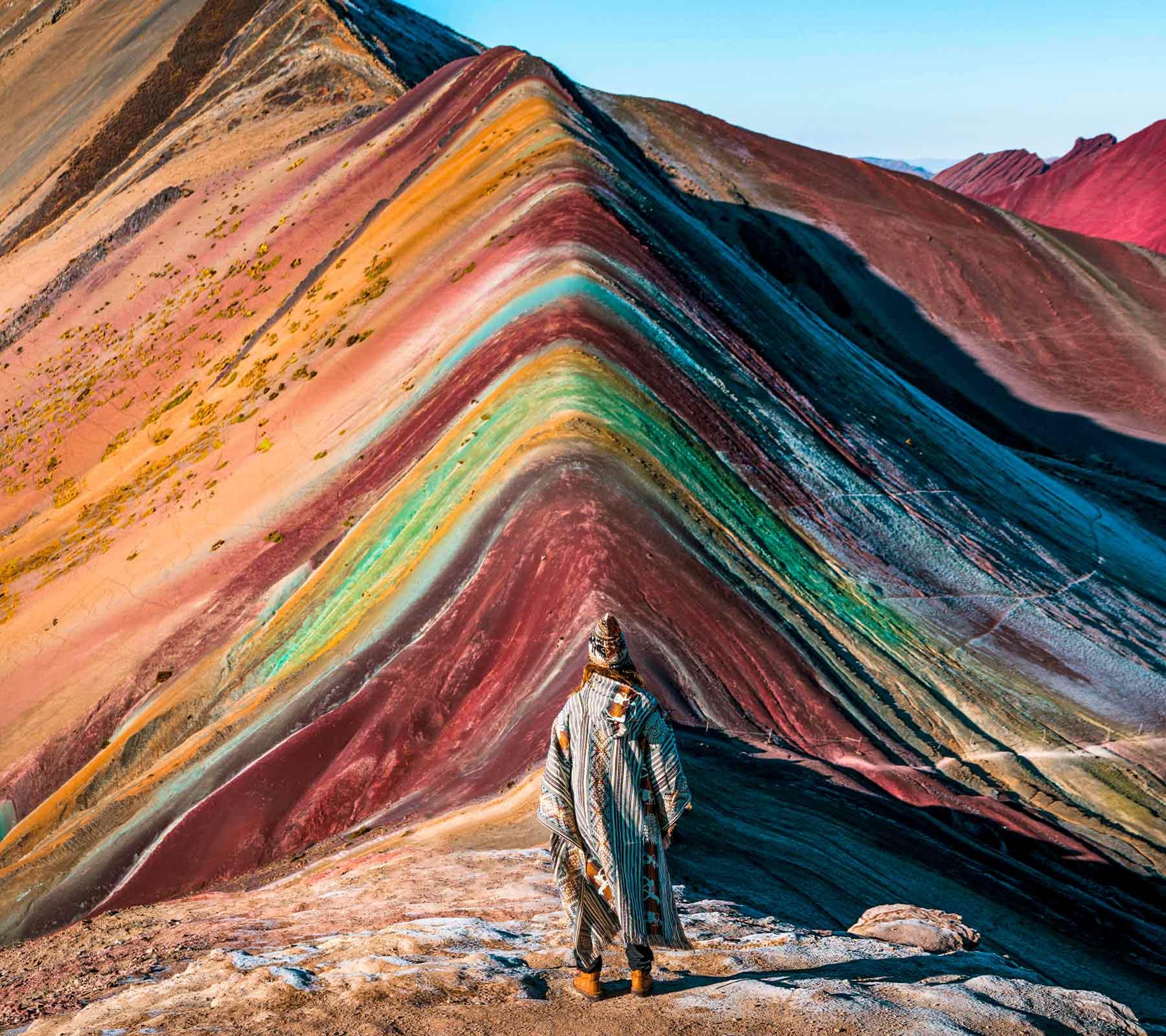
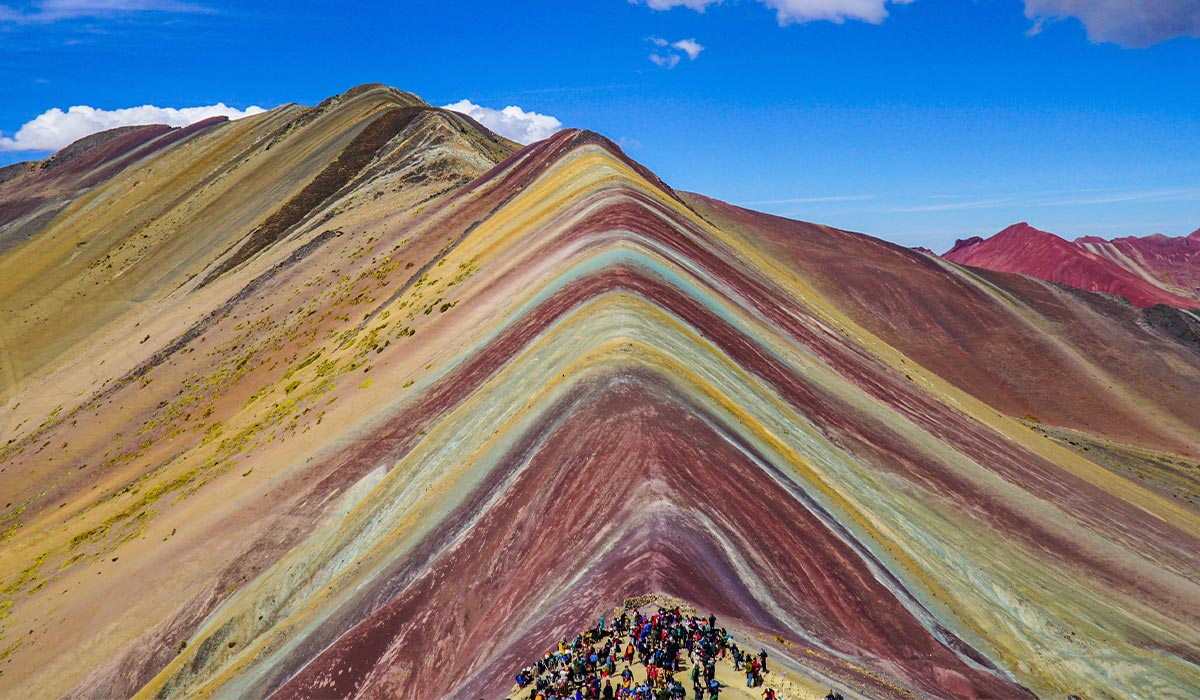
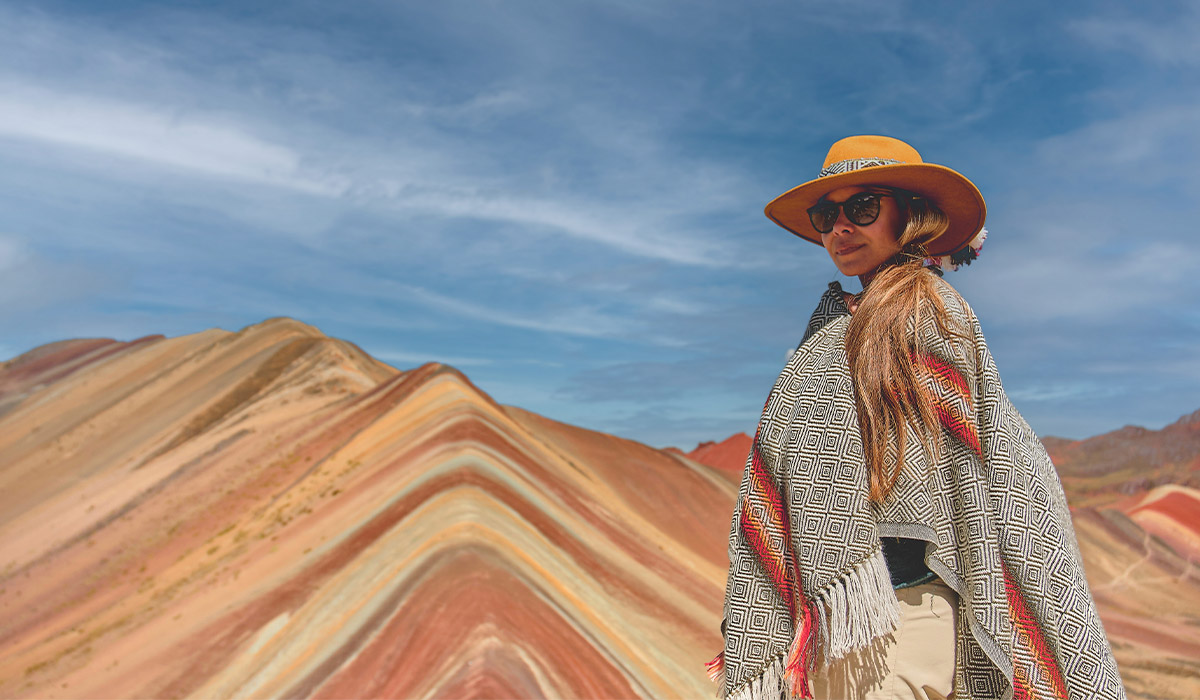
The allure of the 'Mountain of Seven Colors' lies in its vibrant, multi-hued stripes, the result of millions of years of complex geological evolution. These natural patterns were formed by the layering of various minerals and sedimentary rocks. Following the gradual retreat of ancient glaciers and centuries of wind erosion, these colourful strata have been revealed, creating a unique landscape that resembles a painted masterpiece under the open sky.
Visitors standing before the mountain are greeted by a vivid palette of earthy tones, including deep reds, purples, greens and ochre yellows. A trip to Vinicunca is more than just a hike: it is an immersive experience combining the thrill of high-altitude trekking with an up-close look at the Earth's mineral history. This makes the route from Cusco a visually striking and educational journey for any adventurer visiting Peru.
Where is Rainbow Mountain?
Situated approximately 100 kilometres southeast of Cusco, Rainbow Mountain forms part of the Vilcanota mountain range. Geographically, it is located near the impressive snow-capped peak of Ausangate, which is the highest mountain in the region and of great historical importance.
When planning a visit, it is important to consider the following logistical and environmental factors:
- Extreme altitude: The main viewpoint is located 5,200 metres (17,060 feet) above sea level. This elevation makes the trip a high-mountain route. It is essential to acclimatise correctly in the city beforehand to avoid complications from altitude sickness.
- Terrain demand: Although the trail is clearly marked, the combination of steep terrain and the drastic reduction in oxygen levels makes this a significant physical challenge, even for those in good cardiovascular shape.
- Cultural and environmental context: This territory is sacred to the local indigenous communities, who guard it. Due to the rapid increase in global tourism, new regulations have been introduced to manage environmental impact. Therefore, it is essential that you only travel through permitted areas in order to preserve the integrity of this geological formation.
Route and logistics for climbing to Vinicunca
Proper planning and a clear understanding of high mountain conditions are essential for taking the hike to Rainbow Mountain. Whether travellers have only one day or are looking for a longer expedition, knowing the topographic features of the trail and the acclimatisation requirements is vital for managing the physical effort involved and ensuring a safe climb.
-
Itinerary options
The logistics of this route allow for a variety of expedition options. The most popular option is the full-day excursion, which departs from Cusco at dawn and ends at sunset. For a more immersive experience, there are multi-day tours that combine the climb to Vinicunca with the Ausangate mountain route and visits to other lakes in the region. -
Trail features
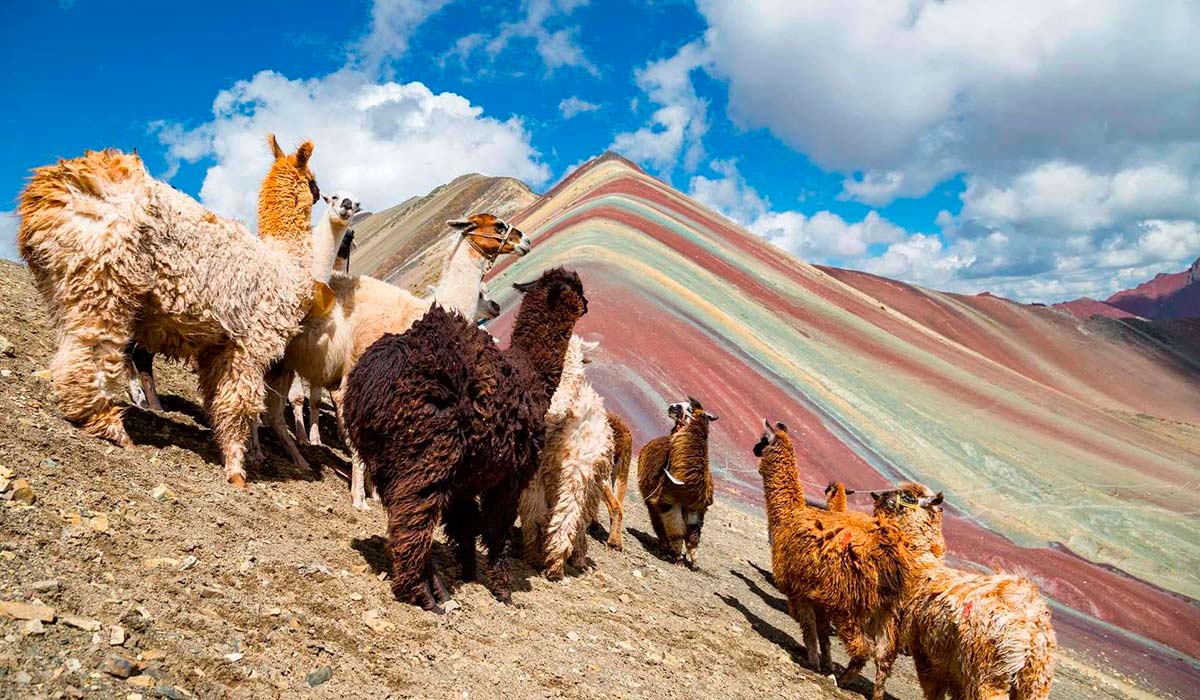
The traditional circuit is a round trip of approximately 14 kilometres (8.7 miles). Starting at a lower altitude, the path has a gradual slope, becoming significantly steeper and rougher towards the end of the journey as it approaches the viewpoint. During the journey, the route passes through vast plains and grazing areas, where herds of alpacas and llamas belonging to Andean communities can often be seen. -
Difficulty level and acclimatisation
The hike is classified as moderate to challenging. The main challenges lie in the lack of oxygen at altitudes over 5,000 metres and the temperature changes. To complete this journey, you need to be in good physical health and undergo a strict acclimatisation period; it is essential to spend a few days in Cusco or the Sacred Valley beforehand to give your body time to adapt and avoid severe altitude sickness. -
Recommended season
The best time to go trekking here is during the Andean dry season, from May to September. During this period, stable weather reduces the amount of mud on the route, offering a better chance of clear skies and ensuring visibility of the coloured minerals, which are usually covered by snow during the rainy season.
What should you bring with you when you visit Vinicunca?
At this altitude, the weather is unpredictable, with wind chill temperatures often dropping below zero, particularly in the early morning and at the summit, where there is a strong wind. The main factor in ensuring safety and comfort during the climb is carrying the right equipment.
Make sure you include the following items in your daypack:
- Layering system (Thermal and waterproof clothing): It is essential to dress in layers. Wear a windproof and waterproof jacket on the outside and warm clothes made of fleece or down underneath, which you can easily take off as your body temperature will increase sharply due to the effort of climbing.
- Technical footwear: Make sure your hiking boots are broken in beforehand and have good grip and ankle support. They are essential for walking safely through steep and uneven terrain.
- High mountain sun protection: At an altitude of over 5,000 metres, UV radiation is intense, even on cloudy days. Make sure you pack broad-spectrum sunscreen, sunglasses with UV protection and a hat or cap.
- Hydration and energy reserves: To stay hydrated and reduce altitude symptoms, carry plenty of water (at least 1.5 to 2 litres per person). Eat snacks that provide quick energy, such as nuts, chocolate, or coca sweets.
- Basic personal first aid kit: Include basic medicines for possible altitude-related headaches, as well as plasters to prevent blisters.
Environmental and cultural respect
The high mountain ecosystem is extremely fragile and has deep historical significance for the Andean communities who protect it. Responsible tourism is essential on this route. This means walking only on the designated paths to prevent permanent damage to the mineral soil, taking all rubbish back to the city, not disturbing the local wildlife and respecting the local customs.
Should you go alone or hire a guide?
Although the main path is marked, the challenging journey from Cusco and the risks associated with an altitude of 5,200 metres make joining a guided group the smartest and safest choice.
Hiring a licensed local guide not only helps the local economy, but also keeps you safe: official operators carry oxygen tanks and high-altitude first aid kits. An experienced guide will also enhance your trip by providing insights into the mountain's rocks and the culture of the Ausangate snowy peak.
The value of the trip to Vinicunca
Reaching the viewpoint at Rainbow Mountain is a physical challenge, but the reward is a stunning view of one of the most unique geological features in the Peruvian Andes. As well as the challenging climb, this route offers spectacular views of the rugged and beautiful mountains, and an insight into the lifestyle of the high-altitude communities.
If you are planning a trip through Cusco and have any questions about acclimatising to the altitude, the necessary gear, or the details of this trek, please leave them in the comments! We will be happy to help you organise a safe and well-planned trip.