The Cusco Cathedral is one of the most beautiful and significant monuments in the Americas. Built between 1560 and 1664 on the site of Quishuarqancha, the former palace of the Inca Huiracocha, with enormous blocks of stone brought from Sacsayhuaman, this historic structure is also considered a National Cultural Heritage site and boasts a unique combination of features, including Gothic, Baroque, and Renaissance styles.
When the Spanish arrived in the city, they requested the creation of the Bishopric of Cusco, headed by Friar Vicente Valverde. This prompted the construction of churches throughout the city. However, the cathedral's construction took over 100 years due to the various locations considered. It was first built on the site now occupied by the Church of the Triumph, then in the Cusipata area due to its larger size, and finally, in 1553, the land of Quishuarqancha was acquired.
The Church
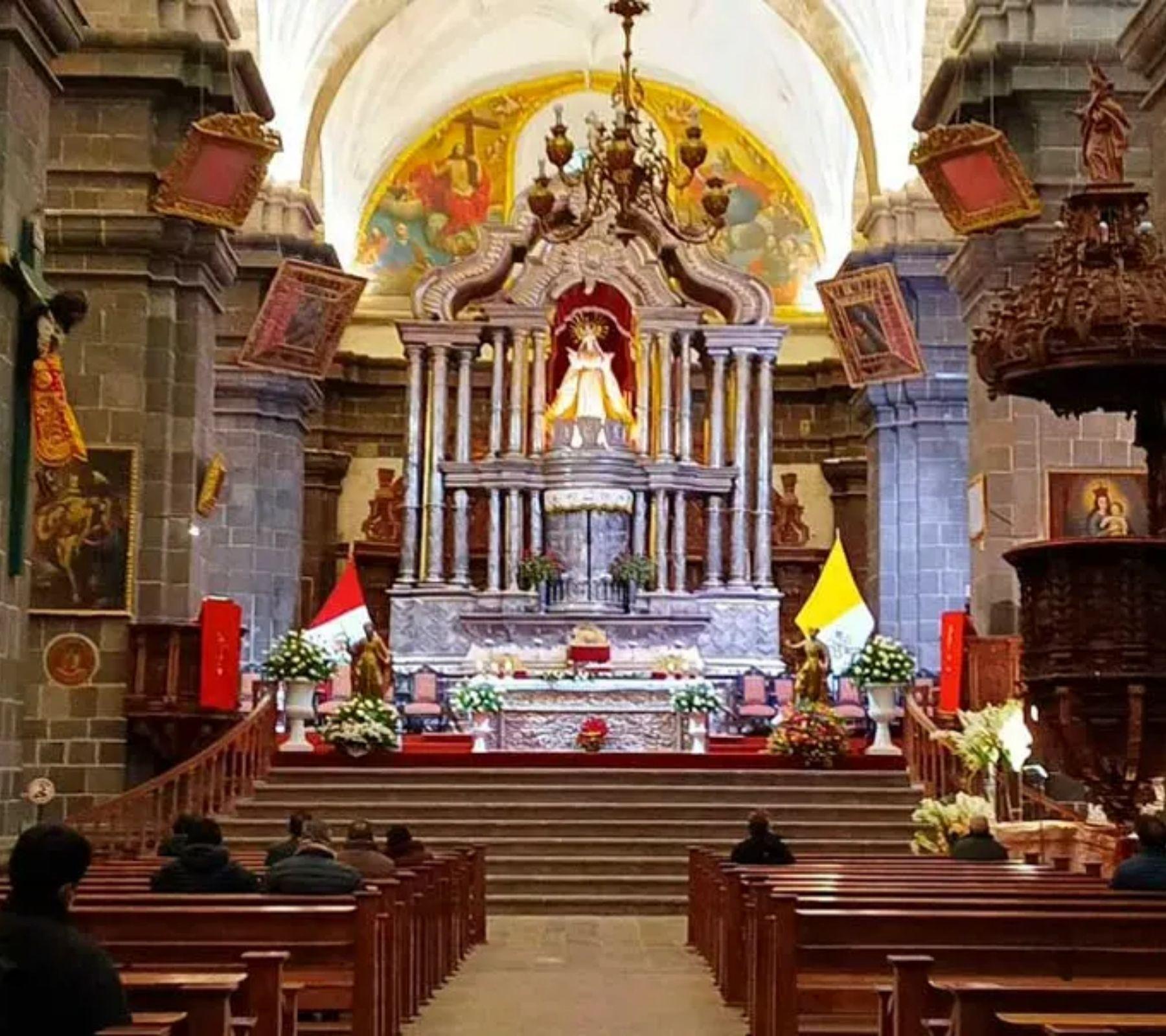
Built in the shape of a Latin cross, with a Renaissance-style facade and interior, it houses some of the finest examples of colonial goldsmithing, as well as a valuable collection of paintings from the Cusco School. Due to the period in which it was built, its construction incorporates Gothic-Renaissance elements from the great Spanish cathedrals, along with Baroque features, evident in its grand altarpiece and monumental towers.
Architecture of the Cusco Cathedral
Rectangular in shape, the Cusco Cathedral has three naves: the Epistle nave, the Gospel nave, and the central nave, which correspond to the three doors on the facade. It also features fourteen cruciform pillars that define the distribution of the twenty-four vaults in the entrance and the transept.
The High Altar is made entirely of silver, and the Sacristy contains forty paintings of the Bishops and Archbishops of Cusco. Two auxiliary chapels flank the Cathedral: El Triunfo Church to the right and Sagrada Familia Church to the left.
Learn more about the churches surrounding the Cathedral:
Jesus, Mary, and Joseph: This small church began construction in 1723 but was completed between 1733 and 1735. It features images of the Holy Family on its main facade, and its main altar is Baroque in style, with notable altarpieces and paintings. Construction was finally completed in 1737.
El Triunfo: Its name is attributed to themes related to the conquest. It was named to commemorate the final victory of the Spanish against the troops of Manco Inca, where they received the miraculous support of the Virgin Mary and the Apostle James. Built between 1729 and 1733, its main altar is made of finely carved stone and in its main niche is the "Cross of the Conquest" where the ashes of Inca Garcilaso de la Vega rest.