For many years, Peru was at the top of the list of destinations when choosing the next trip. It always seemed like I chose the wrong time of the year for my vacations, or I just did not have enough time. Now, finally, I had the chance to travel to Peru.
Peru is no longer an unknown destination: most tourists travel to Peru to visit its best destinations like the Colca Canyon, Arequipa, Machu Picchu and Lake Titicaca (Puno). However, I wanted to take a different route and visit other less known places on my first trip.
One month in Peru was too short, but considering the intense experiences I lived, the trip could not have been much longer either. In the end, I was completely overwhelmed by everything. Now I need to take it in and process it. Then I will start planning my next trip to Peru.
Why travel to Peru?
Peru is a diverse country and offers something for everyone: high snowy peaks of the Andes, lakes and hot springs, and large flocks of llamas, alpacas and sheep. Also, along the coast there are sandy beaches ideal for surfing. Inland there are deep gorges, waterfalls and, to the east, the Amazon jungle, always green and wet. To the south is Lake Titicaca, which borders Bolivia.
The plants and animals are also very diverse. Because of its geographic location, Peru has several climate zones, which gives good conditions for plants and in many cases allows several harvests a year.
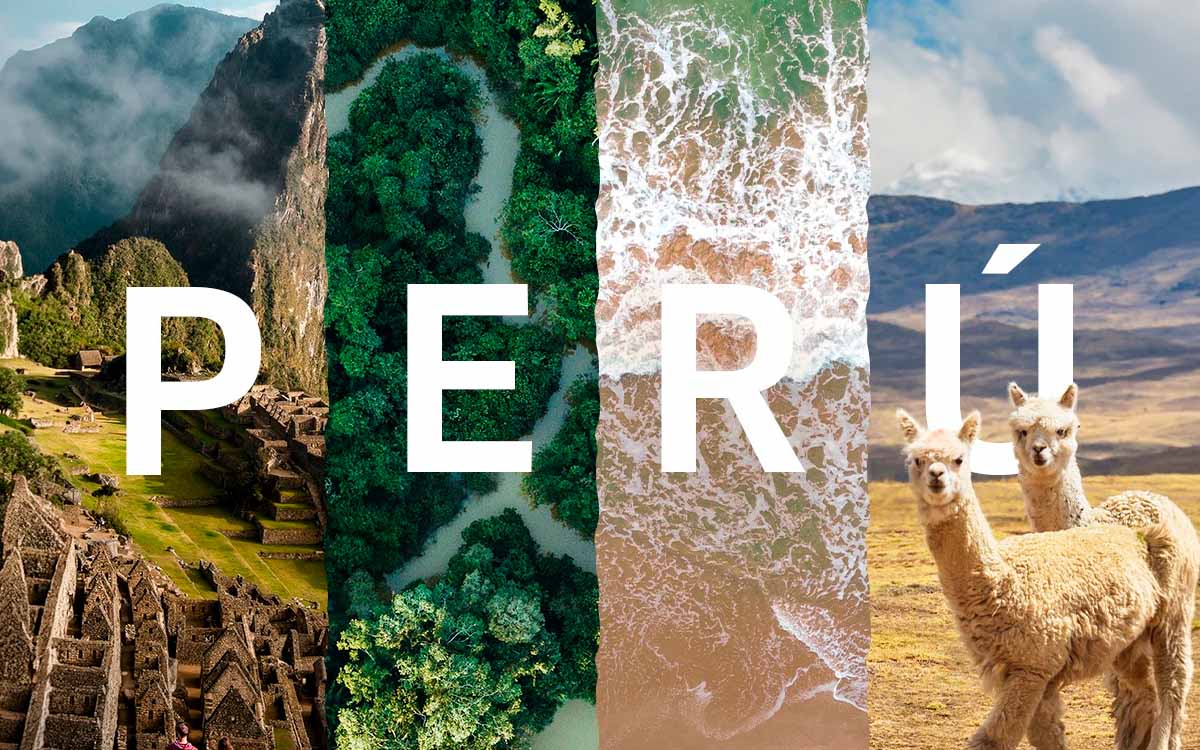
Peru is more than the land of the Incas
The most popular attraction, and for many travelers the main reason to make a trip to Peru, is Machu Picchu. But it is also worth considering Choquequirao, the site that is considered the sister of Machu Picchu, and which receives much fewer tourists because it can only be reached by a four-day walk.
Less known, and mostly still not fully explored, is the culture of the Chachapoyas (the "People of the Clouds") in the north of the country. Other Inca sites in the Sacred Valley, Cusco and around Chachapoyas are also worth a visit.
Culinary excellence: Discovering the flavors of Peru
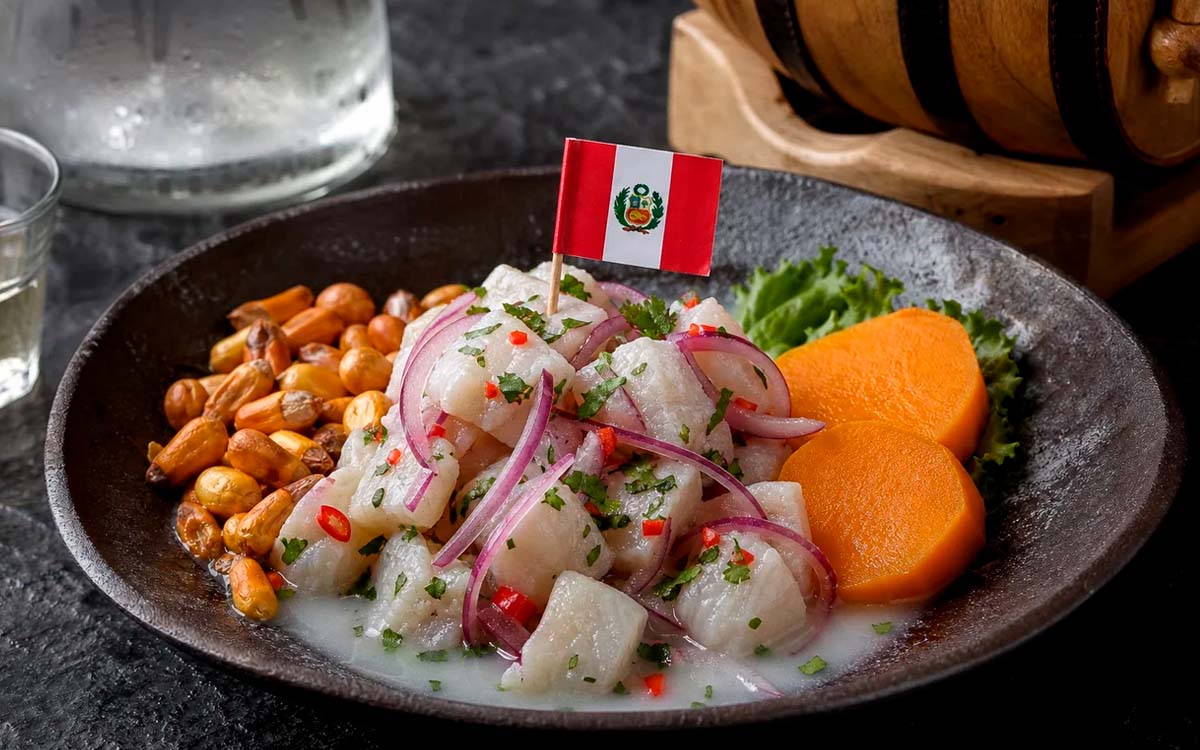
If I learned something during my trip through Peru is that Peruvian food has a huge variety of flavors, ingredients and traditions, and each city seems to have something different to offer.
Of course, I had to try the ceviche. It is probably one of the best known Peruvian dishes outside the country, but after traveling around Peru I discovered that it is just the beginning. There is so much more: traditional dishes, markets full of local products, small restaurants and street stalls where many times you find flavors you did not expect.
And I have to highlight its traditional drink, the chicha morada. This drink made from purple corn became one of those flavors that I right away connect with Peru. I tried several during the trip, but my favorite was in Cusco. Depending on how it is prepared, it can have a quite strong flavor, but it is definitely worth trying at least once.
Our route through Peru: places we visited and top experiences
Before traveling to Peru, I thought it was enough to choose the places I wanted to see, organize the dates, and start the adventure. But once I started preparing the travel plan, I understood there was another very important factor I had to keep in mind: the altitude.
If you are going to travel through the Andean regions, especially places like Cusco and its surroundings, it is recommended to leave some room in your schedule to get used to the altitude. We tried not to rush too much during the first few days and adapt our plans to how we felt. After all, part of the experience of traveling through Peru is enjoying the journey, not just collecting destinations.
Cusco ended up becoming a kind of home base for us. Between our experience trekking to Choquequirao, the Lares route to Machu Picchu, and our visit to the 7 Colors Mountain, we returned to the city several times. That is why Cusco appears over and over on our route.
Peru is huge, so you need a plan
One of the hardest choices when organizing this trip was picking which places to leave out. Peru is much bigger than it might seem when you start marking spots on a map, and the experiences it offers are so different from each other that it is tempting to want to do it all.
There were too many places I wanted to visit and we simply did not have time to include them all. We had to leave some destinations for later, especially some areas on the coast, the north, and the south of the country, including the Lake Titicaca.
Another important thing was deciding how to get around. Buses are usually a good option to save money and allow you to see much more of the landscape, while flights help to greatly reduce time when you have a tight schedule. However, there are not always direct connections between the places you want to visit, so in some cases, it is necessary to go through Lima again.
The schedule of our trip through Peru
Our adventure ended up taking us from the Pacific coast to the Andes and, finally, to the vast Amazon. This was, broadly speaking, our route:
- Lima
- Cusco
- Sacred Valley
- Choquequirao
- Cusco
- Lares and Machu Picchu
- 7 Colors Mountain
- Peruvian Amazon
Looking at our route now, I am amazed by the number of completely different landscapes we were able to experience in the same country. We went from a huge city facing the Pacific to walking among mountains thousands of meters high, discovering old Inca and pre-Inca buildings and, days later, finding ourselves surrounded by the plants and sounds of the Amazon jungle.
And even after all that, I feel we only saw a part of Peru. Maybe that is one of the best reasons to go back.
Arrival in Lima: Our first contact with Peru
We arrived in Lima and our first encounter with the capital was, literally, in traffic. After almost an hour between immigration and luggage, we spent another hour in a taxi to Barranco. But we ended the day in the best possible way: with ceviche, pisco sour and a late dinner.
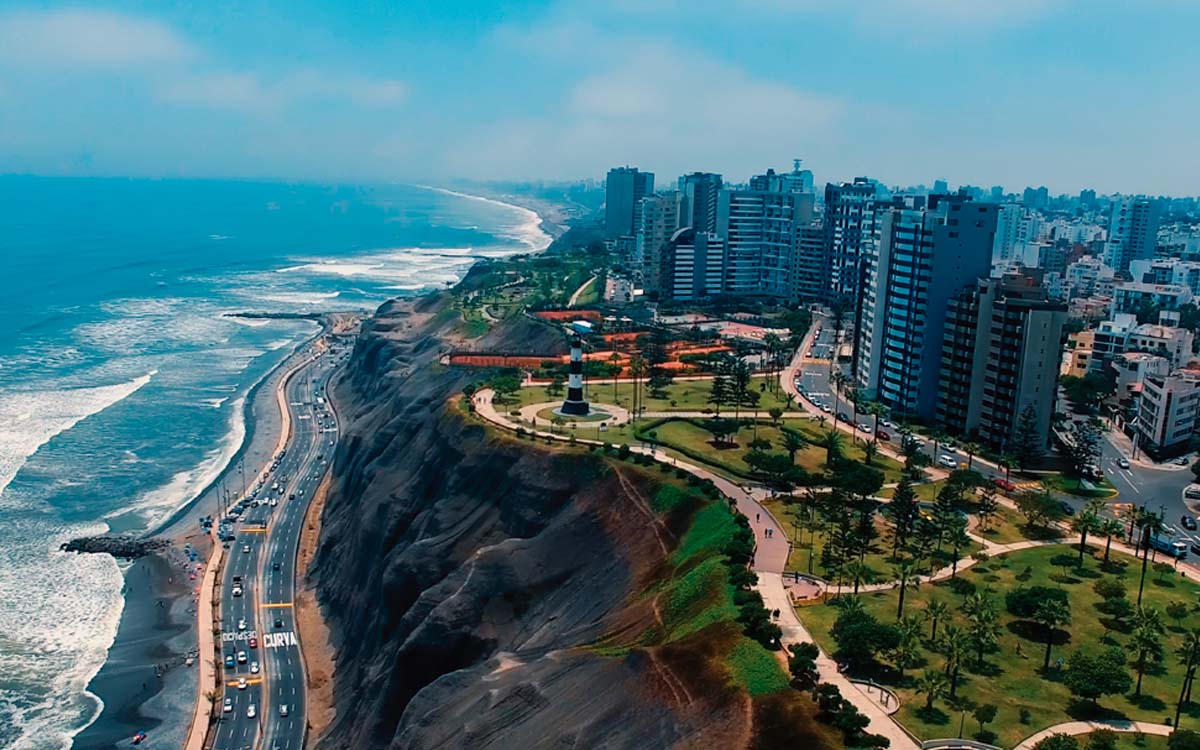
We spent two full days in Lima. It was winter and the famous gray Lima sky was with us almost all the time, so we decided to take things easy and explore a good part of the city on foot.
Barranco: art, streets and good flavors
Our first day was mainly dedicated to Barranco, one of the neighborhoods I enjoyed the most in Lima. After breakfast, we took a street art tour that allowed us to discover murals, small streets and the artistic vibe of the area. We also visited the Museum of Contemporary Art and ended the night having a pisco sour at the well-known Ayahuasca Restobar.
Barranco has a special personality and was, without a doubt, one of my favorite places in the capital.
Discovering Miraflores on our own
Our second day did not go exactly as planned. We had booked a bike food tour in Miraflores, but a problem with the booking meant we could not do it in the end. Frustrating, yes, but traveling also means improvising.
So we changed our plans and explored Miraflores on our own. We walked along the Malecon, visited Larcomar, the Park of Love and Kennedy Park before calmly returning to Barranco following the coast. We also wanted to paraglide over the cliffs, but the weather played against us again. It will have to wait until my next visit.
After these first days in Lima we were ready to continue. We had enjoyed the food, Barranco and the views of the Pacific, but what we were really waiting for started now: the mountains and nature of Peru.
Cusco: the heart of the trip to Peru
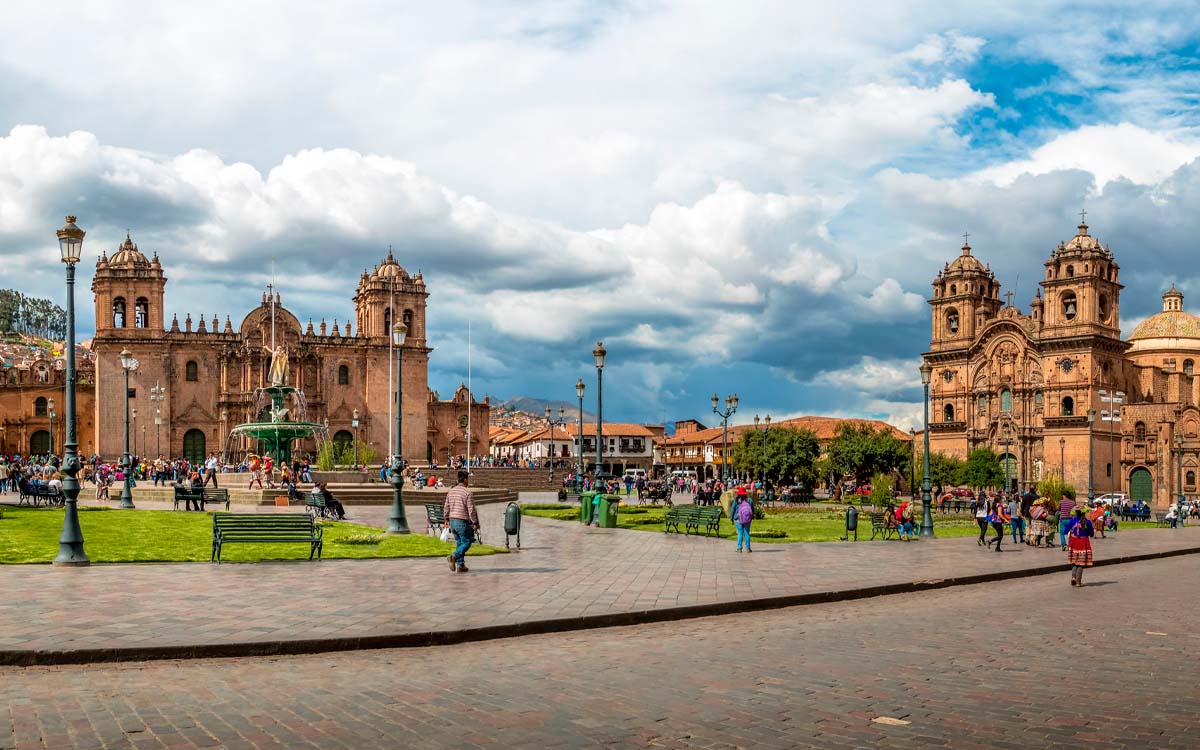
After a flight of just over an hour over the Andes, we landed in Cusco, at about 3,400 meters of altitude. Going practically from sea level to this height is felt, so we decided to spend our first day simply resting and getting used to the altitude.
If you are planning a trip to Peru that includes walks in the Andes, I recommend spending at least a couple of days in Cusco before starting any trekking. Besides helping with getting used to the altitude, it would be a shame to pass through this city too fast.
Sacsayhuaman, White Christ and the best views of Cusco
The next day we decided to walk up to Sacsayhuaman. The climb took us about 30 minutes, but the views made every step worth it. From here you can see a large part of Cusco and, when the sky is completely clear, it is even possible to see the Andes mountains in the distance. Very close is the White Christ, another perfect stop to look at the city from above.
In the afternoon we joined a free walking tour Cusco. Our guide told us stories and fun facts about Cusco and the Incas as we walked its streets. We ended the tour, enjoying a pisco sour with a fantastic panoramic view of the city.
Markets and a quiet last day
Our last day before starting the great adventures was much more relaxed. We visited the San Blas Market, where we took the chance to try fresh fruit juices, and then we walked through the huge San Pedro Market, one of those places where you can find practically everything.
After these quiet days, we already felt much more used to the altitude and ready to continue our trip to Peru. We had enjoyed Cusco without rushing, but now came what we were waiting for so much: the adventure in the Andes.
Sacred Valley: following the footsteps of the Incas
After our days in Cusco, it was time to see one of the places I looked forward to the most on this trip to Peru: the Sacred Valley of the Incas. Since we left the city, the landscape began to change between huge mountains, small towns, and farm fields that stretched across the whole valley.
Our first big stop was Pisac, famous for its farm terraces built on the mountain slopes. Walking through the archaeological site and looking at the valley from above was a great introduction to the Inca history of this area.
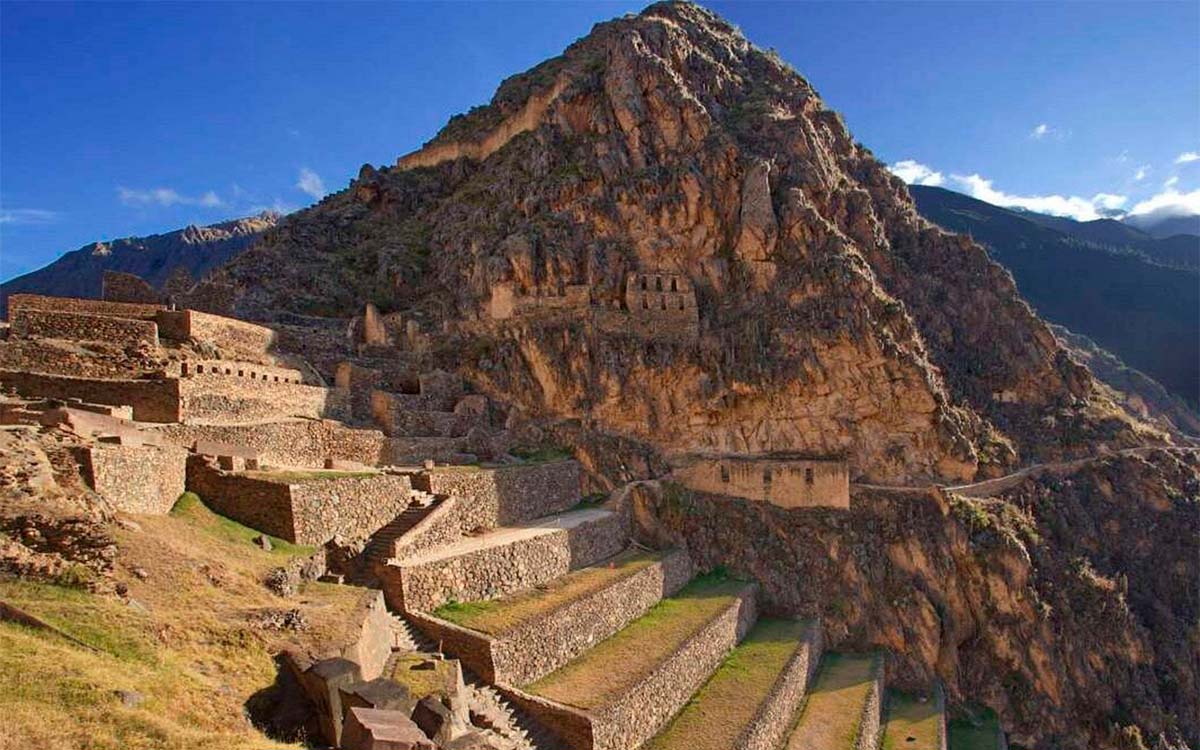
We went on to Ollantaytambo, one of the places that impressed me the most. Its huge terraces and stone buildings look over the town from the mountain. Climbing to the top takes some effort, especially because of the altitude, but the views make it completely worth it.
Maras, Moray and Chinchero
Our trip through the Sacred Valley also took us to Moray, where we found its amazing round terraces. Seeing them from above is impressive and shows how well the Incas knew how to use and change the Andean landscape.
Very close by are the famous Maras Salt Mines, made up of thousands of small salt pools spread over the hillside. The contrast between the pools, the mountain, and the valley creates one of the most unique landscapes we saw during the trip.
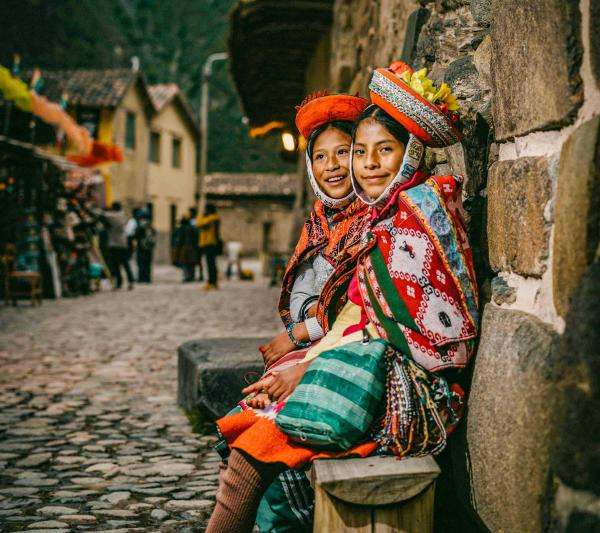
Finally we arrived at Chinchero, an Andean town where traditions are still very present. Here we were able to learn a little more about traditional weaving and see how techniques passed down through generations are still used.
Up to that point in our trip to Peru, we had seen amazing places, but traveling through the Sacred Valley made the history of the Incas start to feel much closer.
Choquequirao: four days walking to the "Cradle of Gold"
This was, without a doubt, one of the most demanding experiences of our trip to Peru. For four days we walked about 44 kilometers between endless climbs, steep drops, and huge mountains to reach Choquequirao, an impressive Inca city hidden in the Andes.
Getting there is part of the adventure. Choquequirao is in a remote area and the traditional access is on foot, so it gets many fewer visitors than Machu Picchu. We only carried the essentials in our backpacks, while the mules carried most of the luggage.
At more than 3,000 meters of altitude, the Choquequirao ruins appeared in front of us surrounded by mountains and clouds. After so many kilometers walking, looking at the so-called "Cradle of Gold" for the first time was hard to describe.
We walked through squares, buildings, and huge farm terraces spread over the hillsides. Among them stand out the famous terraces decorated with llama shapes, one of the details I remember most from the site. Our guide had warned us from the start that Choquequirao was one of his favorite routes, but also one of the most tiring. After four days walking I completely understood what he meant.
Lares Trek: walking among Andean communities
After the demanding adventure in Choquequirao, we decided to take on the Lares Trek in a slightly calmer way. For four days we walked through impressive landscapes of the Sacred Valley, mixing hiking with moments dedicated to getting to know the Andean communities of the area.
And that was exactly what I liked most about this route. The Lares Trek is not just about walking in the mountains. During the trip we had the chance to get closer to the daily life of the local communities, learn about some of their traditions, and share small moments with the people who live in these landscapes.
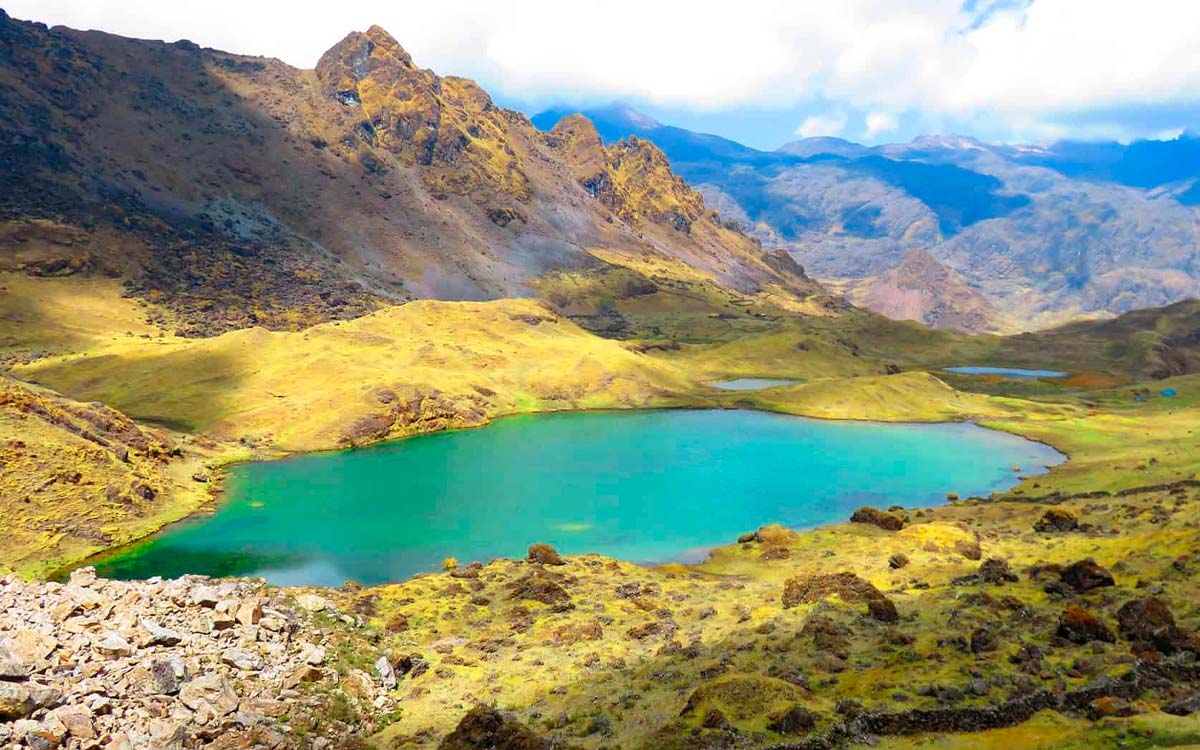
Each day gave us something different: lakes, mountain passes, small towns, and huge areas of the Andes where it seemed we were completely alone.
But our walk had a final destination that I had been waiting for years: Machu Picchu.
Machu Picchu: the cradle of the Inca civilization
From Ollantaytambo we took the train to Aguas Calientes and, finally, one of the most awaited moments of my entire trip to Peru arrived: seeing Machu Picchu.
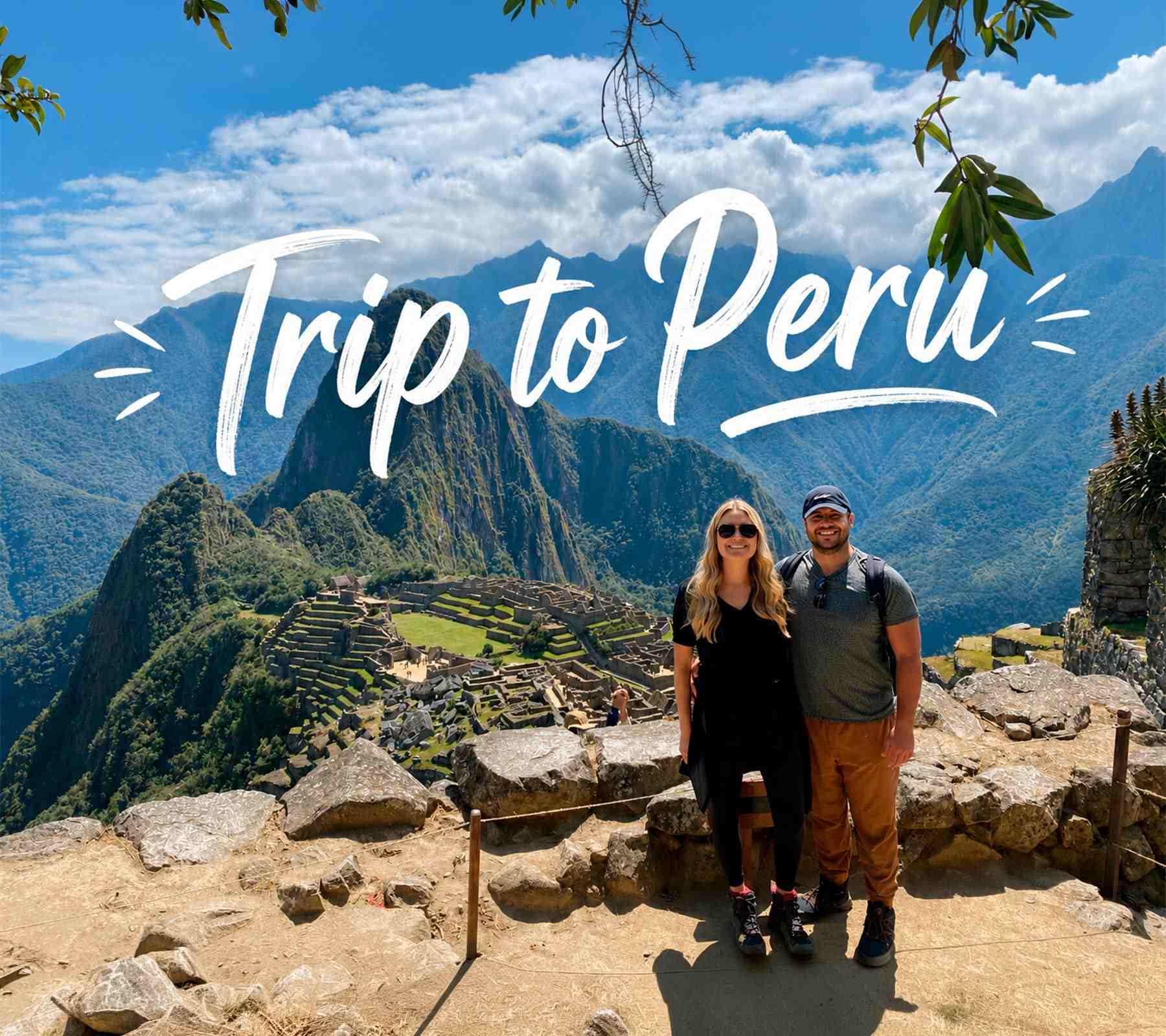
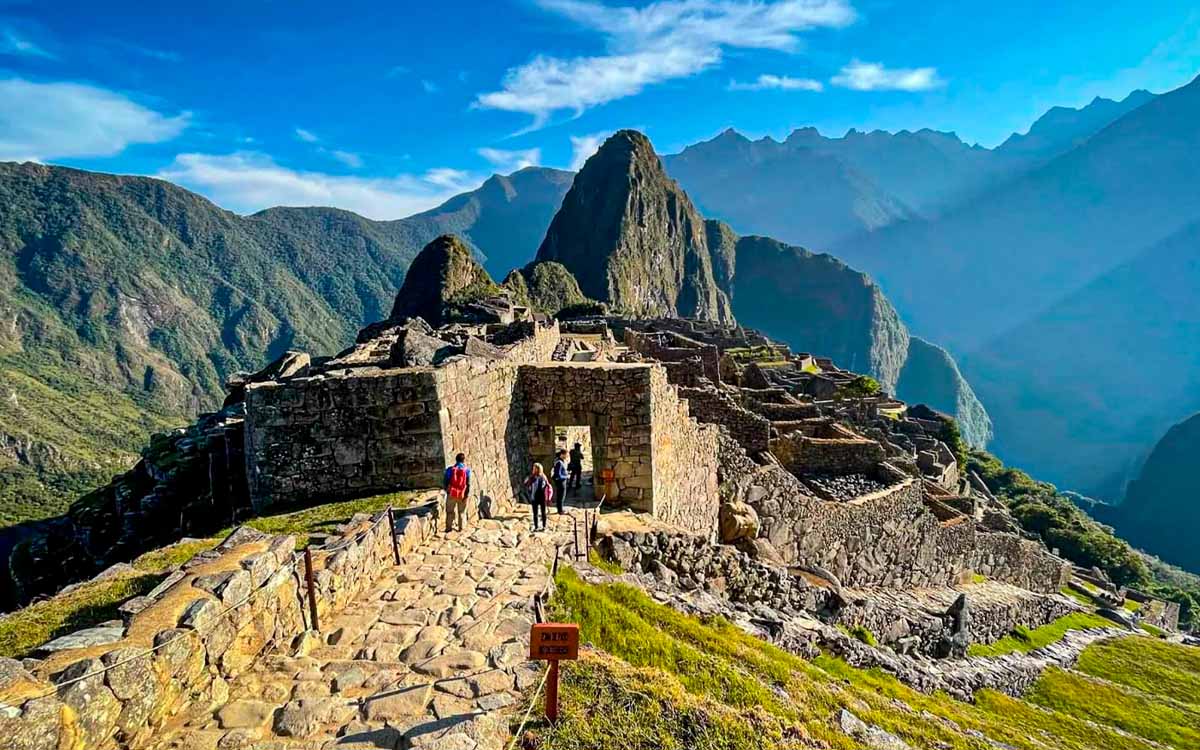
After the winding bus ride from Aguas Calientes, we crossed the entrance and started to walk. A few steps later, there it was: Machu Picchu.
I had seen that image hundreds of times in photos, but being there was completely different. The Inca buildings appeared between the huge mountains while the clouds moved quickly over them. Luckily, during our first visit the sky started to clear up and for a few moments we could look at that famous view of Machu Picchu with Huayna Picchu in the background.
A second visit to the Inca citadel
The next morning we went back to Machu Picchu and found a totally different scene. It had rained during the night and a thick fog covered a large part of the mountains.
Instead of worrying about the weather, we decided to enjoy another perspective. We walked to the Sun Gate (Inti Punku) area and waited patiently for the clouds to give us short moments of visibility over the Inca city.
After so many days walking through the Andes, finally seeing Machu Picchu was much more than checking a famous place off our list. It was one of those moments I had imagined for years and that, finally, had become reality.
Without a doubt, one of the most exciting memories of our trip to Peru.
Mountain of 7 Colors: an adventure at more than 5,000 meters
We had seen so many photos of the famous Mountain of 7 Colors that we wanted to check with our own eyes if it was really that impressive. So, on our last day in Cusco, we woke up early in the morning and started the long trip to Vinicunca.
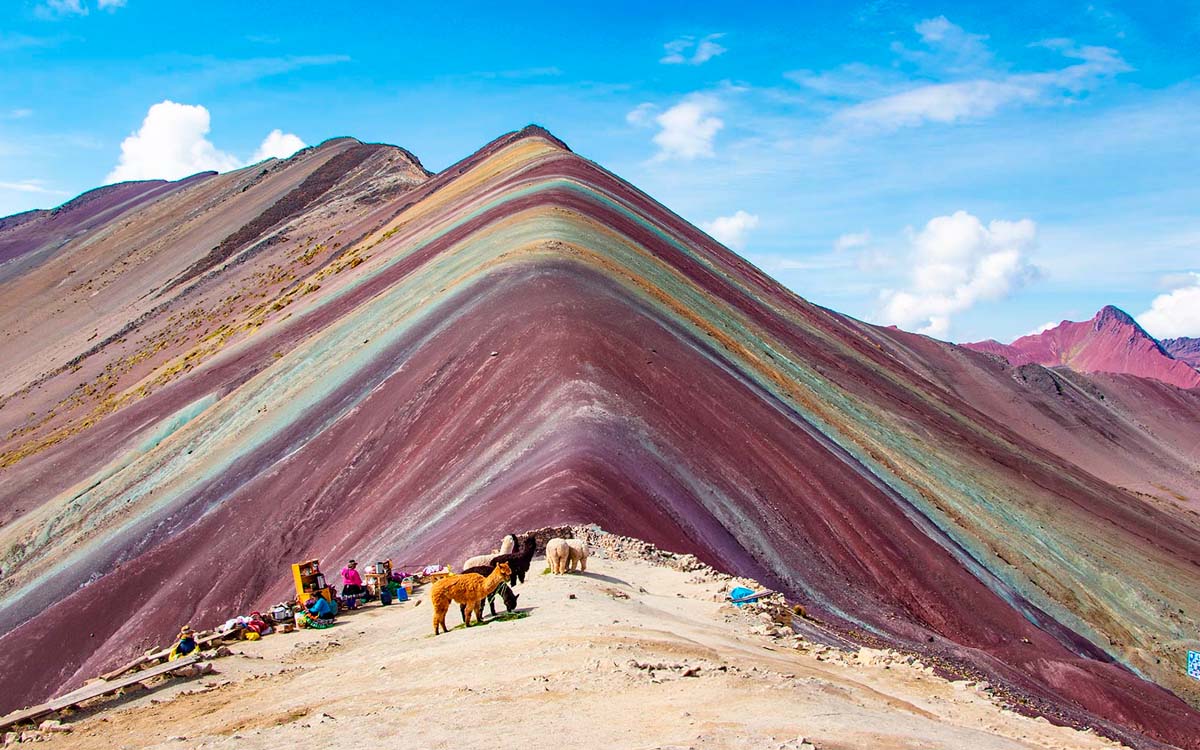
When the sun started to rise we found an unexpected surprise: everything was covered in snow. The landscape was completely white and very different from the colorful photos we had seen before our trip.
After about two hours we finally arrived at the Mountain of Colors. At first, some snow still hid a large part of its famous shades, but little by little it started to melt and the colors appeared in front of us.
Interestingly, what impressed me the most was not only Vinicunca, but the whole landscape around it. In the distance stood the huge snowy Ausangate, accompanied by mountains and glaciers that made the effort of the walk make sense.
The altitude, however, does not forgive. During the way down I was exhausted and had a strong headache. After lunch the long drive back to Cusco still awaited us.
Was it worth it? It is hard to answer. It was a spectacular experience, but also demanding and needs many hours of travel for a few hours on the mountain. I probably would not repeat the trip, although I am glad to have lived it once.
Something I learned during this trip to Peru is that places do not always look like the photos. The weather can completely change the landscape, especially in the Andes. And, in our case, that made us see a Mountain of 7 Colors very different from the one we had imagined.
Exhausted, we returned to Cusco to pack our bags. The next morning we left this part of the Andes behind and started a new stage: the north of Peru.
Amazon: three days in the Peruvian jungle
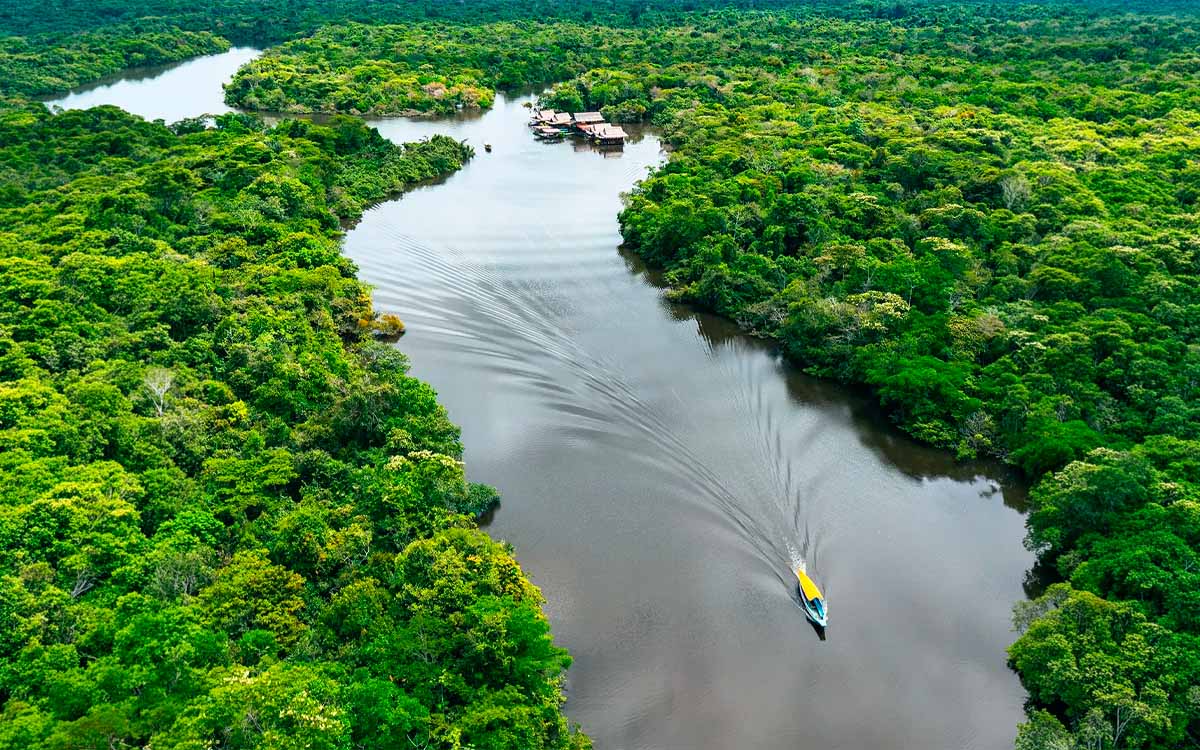
After several weeks among cities, mountains and archaeological sites, our trip to Peru completely changed scenery. We arrived in Iquitos at night and the first thing we felt when getting off the plane was the warm and humid air of the Amazon.
The next morning we left Iquitos and sailed down the Amazon River to our lodging in the middle of the jungle. For three days we were surrounded by vegetation, animal sounds and a peace that contrasted greatly with everything we had experienced up to that moment.
Adventures in the Amazon
Every day we had a different experience. We walked through the jungle both day and night, sailed in a canoe, looked for pink dolphins and visited local communities.
But there was one activity I was especially looking forward to: piranha fishing. With a simple wooden fishing rod and small pieces of bait we tried to catch them in the waters of the Amazon. It was not exactly an abundant catch, but it definitely ended up being one of the funniest stories of the trip.
The jungle also gave us unexpected encounters with animals. Pedro lived in our lodging, a very social parrot that walked calmly around the place and could even say a few words.
Another moment I remember especially happened during a visit to a local community, when a little boy appeared carefully carrying a sloth in his arms. It was one of those spontaneous encounters that immediately stay in your memory.
After weeks traveling around Peru, these last few days were completely different: heat, humidity, sailing on the river and the sounds of the jungle 24 hours a day.
I could not have imagined a better ending. We started our trip to Peru facing the Pacific, crossed the Andes and ended up surrounded by the vastness of the Amazon. One last experience that made me understand how incredibly diverse this country can be.