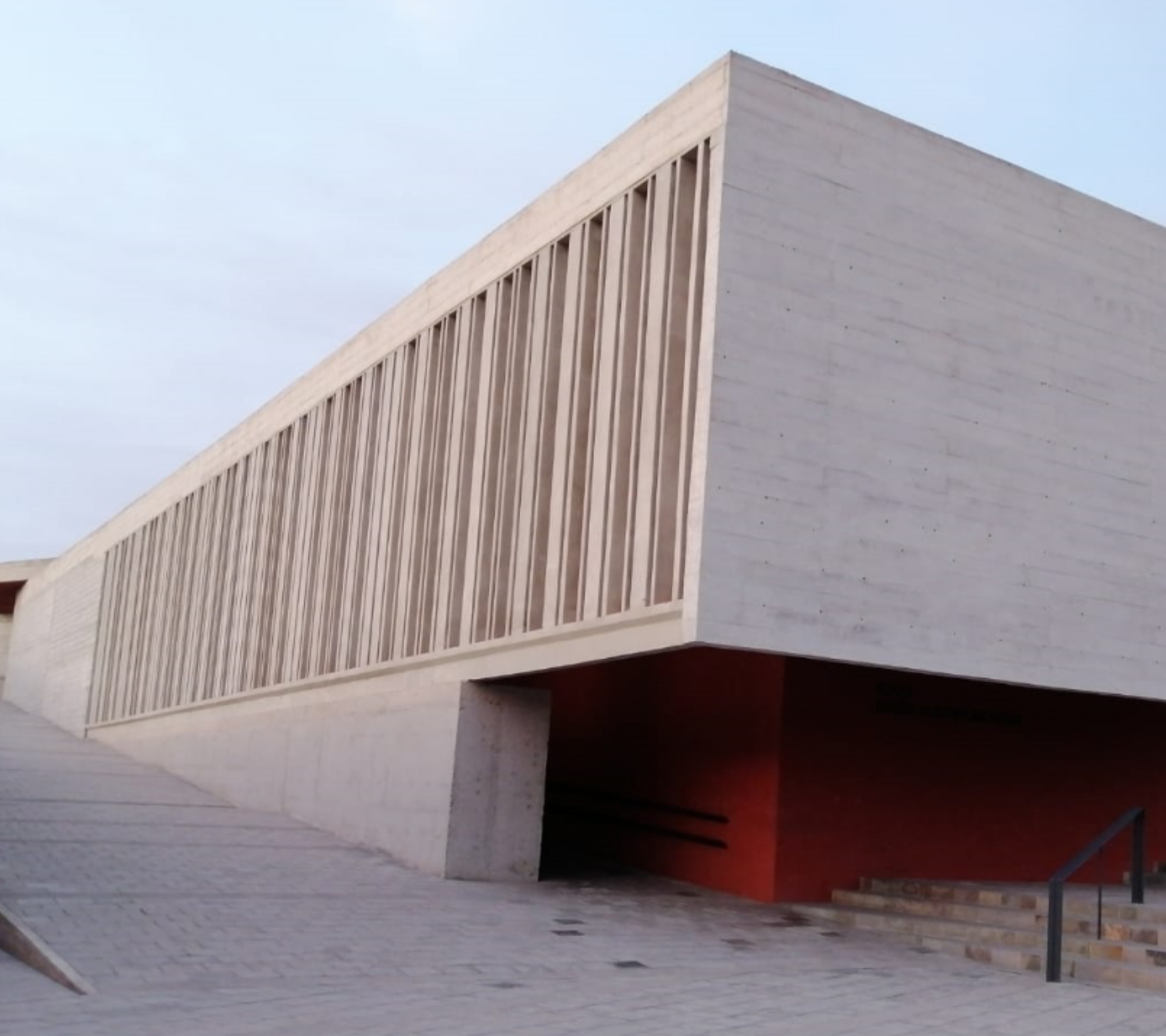
The modern Pachacamac Museum, reopened in 2016, provides information and displays its important collection, which comes from research conducted at the archaeological sanctuary. Highlights include various objects from the Lima, Wari, Ychma, and Inca cultures, and especially the Pachacamac Idol, an emblematic piece.
Description
The Pachacamac Museum, one of the museums belonging to the Ministry of Culture, was founded in 1965 during the government of Fernando Belaunde Terry, with Dr. Arturo Jiménez Borja as its first director. The museum's collections correspond to the different pre-Hispanic occupations that settled over time in the territory occupied by the Pachacamac Archaeological Sanctuary.
The collections include ceramics, textiles, wooden objects, metal objects, spondylus shells, and more. The museum serves as a prelude to visiting the Sanctuary, explaining its importance and showcasing the main archaeological finds. Highlights include the discoveries made by Albert Giesecke in 1938 at the Temple of Pachacamac, also known as the Painted Temple: the Pachacamac deity and the doorway to the idol chamber.
Currently, the museum features a thematic exhibition arranged chronologically from the beginning of the Early Intermediate Period, with ceramics from the Villa El Salvador, El Panel, and Lima styles, as well as Wari, Ychma, and Inca artifacts.
A diverse collection of textiles and quipus from Pachacamac is also on display, along with a wide variety of wooden objects, including Wari head figurines and keros (drinking vessels) from various excavations at the site. In addition, temporary exhibitions on various topics related to recent discoveries at the site are featured. Since 2008, the museum's Registry Department has been working on registering and cataloging the archaeological material that makes up the original collection of the Pachacamac Museum.
To date, 6,590 pre-Hispanic cultural objects of various types have been entered into the National Registry of Cultural Assets of the Ministry of Culture. The Pachacamac Site Museum also has conservation specialists who work with textiles, applying diverse intervention techniques to ensure the stabilization of the pieces. They also oversee the care of other materials and work on the museum's preventive conservation program.
Awards
With outstanding participation on October 19, 2016, the Pachacamac Museum was among the six finalists of the Mies Crown Hall Americas Prize (MCHAP) international architecture competition in Chicago. It also received second place in the Oscar Niemeyer Award for Latin American Architecture, Second Edition/October 2018, and first place in the 2017 Building of the Year Award.
El Brujo Archaeological Complex Site Museum
Visiting Peru's museums is like immersing yourself in millennia of culture, art, and memory. Each one holds unique finds that connect us to the roots of Peruvian history, from the earliest social groups to the colonial and republican eras. If you're planning a trip and want to better understand the past of this diverse country, here's a must-see list of 10 museums to include in your cultural itinerary.
1. El Brujo Archaeological Complex Site Museum
2. Royal Tombs of Sipán Museum
3. Chan Chan Site Museum
4. Chavín National Museum
5. Larco Museum
6. Pucllana Site Museum
7. Pachacamac Site Museum
8. National Museum of Archaeology, Anthropology and History of Peru
9. Cusco Regional Historical Museum
10. Andean Sanctuaries Museum
11. Explore Peruvian history through its museums