The Ballestas Islands are part of the Paracas National Reserve, a protected area since 1975 that guards one of the richest marine ecosystems in the country. Thanks to this protection, the islands have managed to keep their large populations of seabirds and sea lions untouched, becoming a reference point for those traveling along the Peruvian coast.
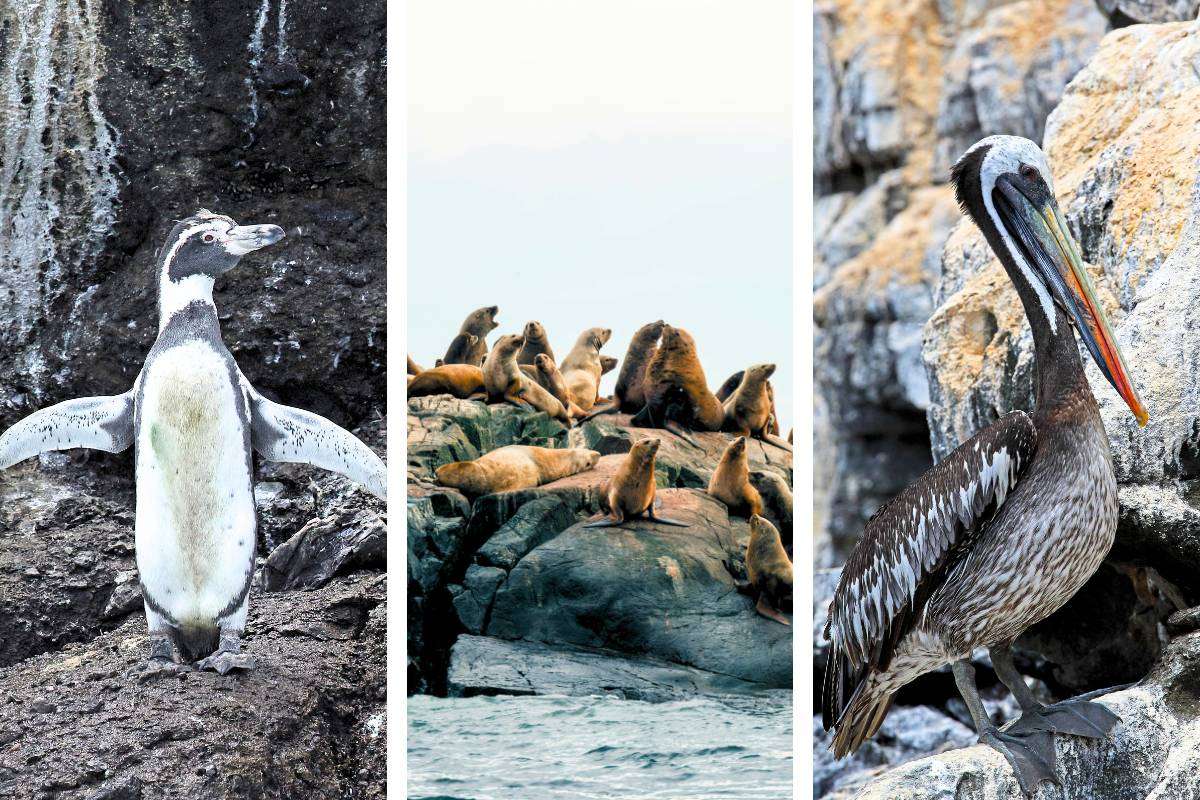
They are often known as the "poor man's Galapagos" due to the diversity of marine life that can be seen there, similar to that of the more famous and remote Galapagos Islands in Ecuador. The Ballestas Islands are a key habitat for species such as Humboldt penguins, Peruvian pelicans, and Peruvian boobies, among others.
Given their natural beauty, rich wildlife, and historical importance, the Ballestas Islands are a popular destination for tourists visiting Peru, as they offer a look at the ecological and cultural heritage of the country. Below, we tell you everything you need to know to plan your visit: from its wildlife and natural beauty, through its historical importance and the mysterious Candelabra, to the ideal weather to travel and how to get to this marine paradise.
Where are the Ballestas Islands located?
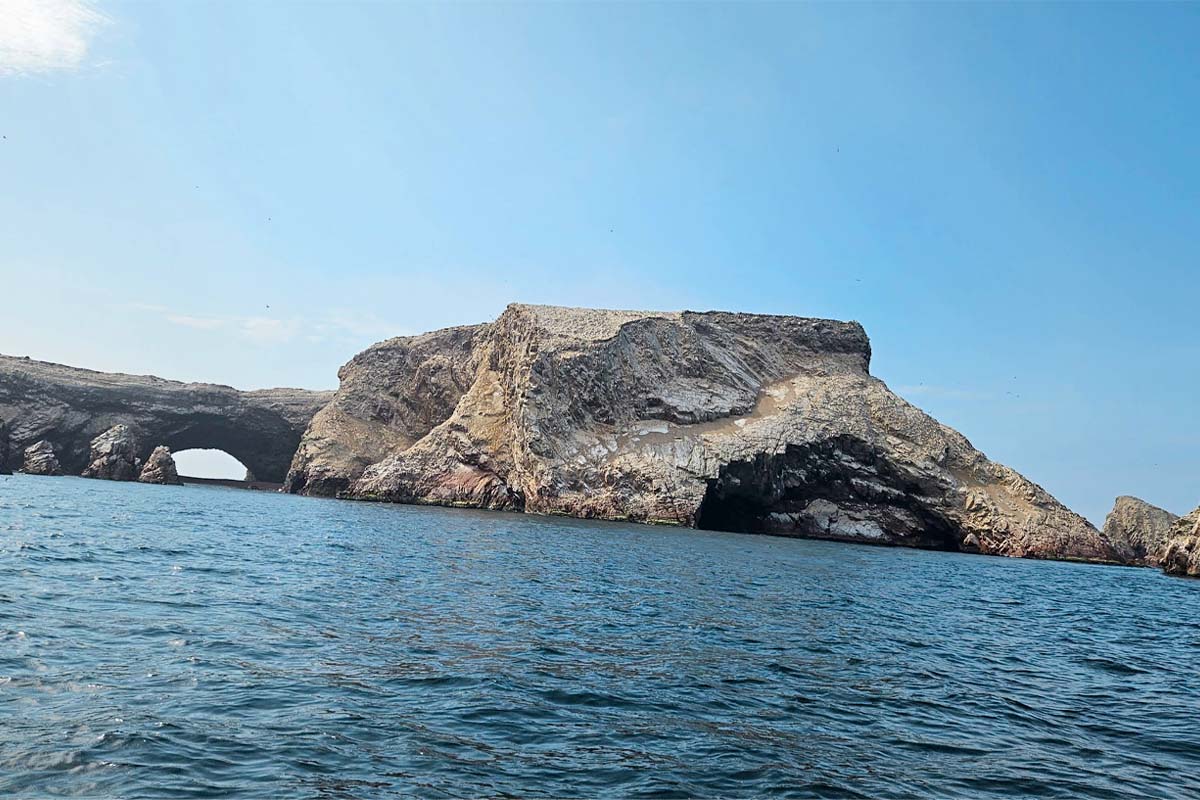
The Ballestas Islands are located in the Pacific Ocean, across from the Paracas peninsula, in the province of Pisco, department of Ica. They are about 250 km south of Lima, a trip that takes between 3 and 4 hours by car or bus on the South Pan-American Highway.
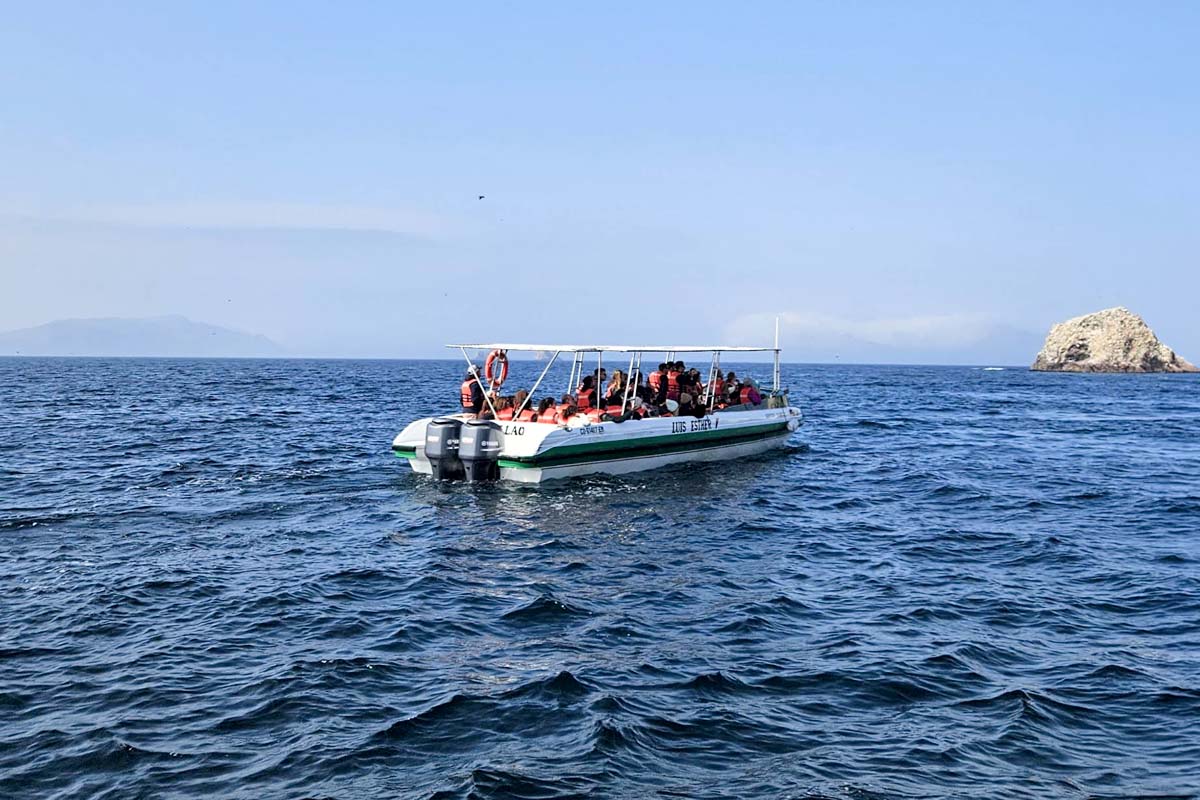
The starting point to visit them is the district of Paracas, where the "El Chaco" and "Tourist Marina" piers are located. From there, the boats set sail to the islands after a trip of about 20 km and approximately 30 minutes on the water.
Wildlife and natural beauty
Upon arriving, you will see the abundant marine life worthy of a natural sanctuary. Among the stars of the tour is the Humboldt penguin (Spheniscus humboldti), a native species from the coasts of Peru and Chile that today is classified as "Vulnerable" on the IUCN Red List due mainly to overfishing and accidental death in fishing nets. Seeing it swim in these warm waters (so far from the typical image of a penguin on ice) is one of the most memorable moments of the trip.
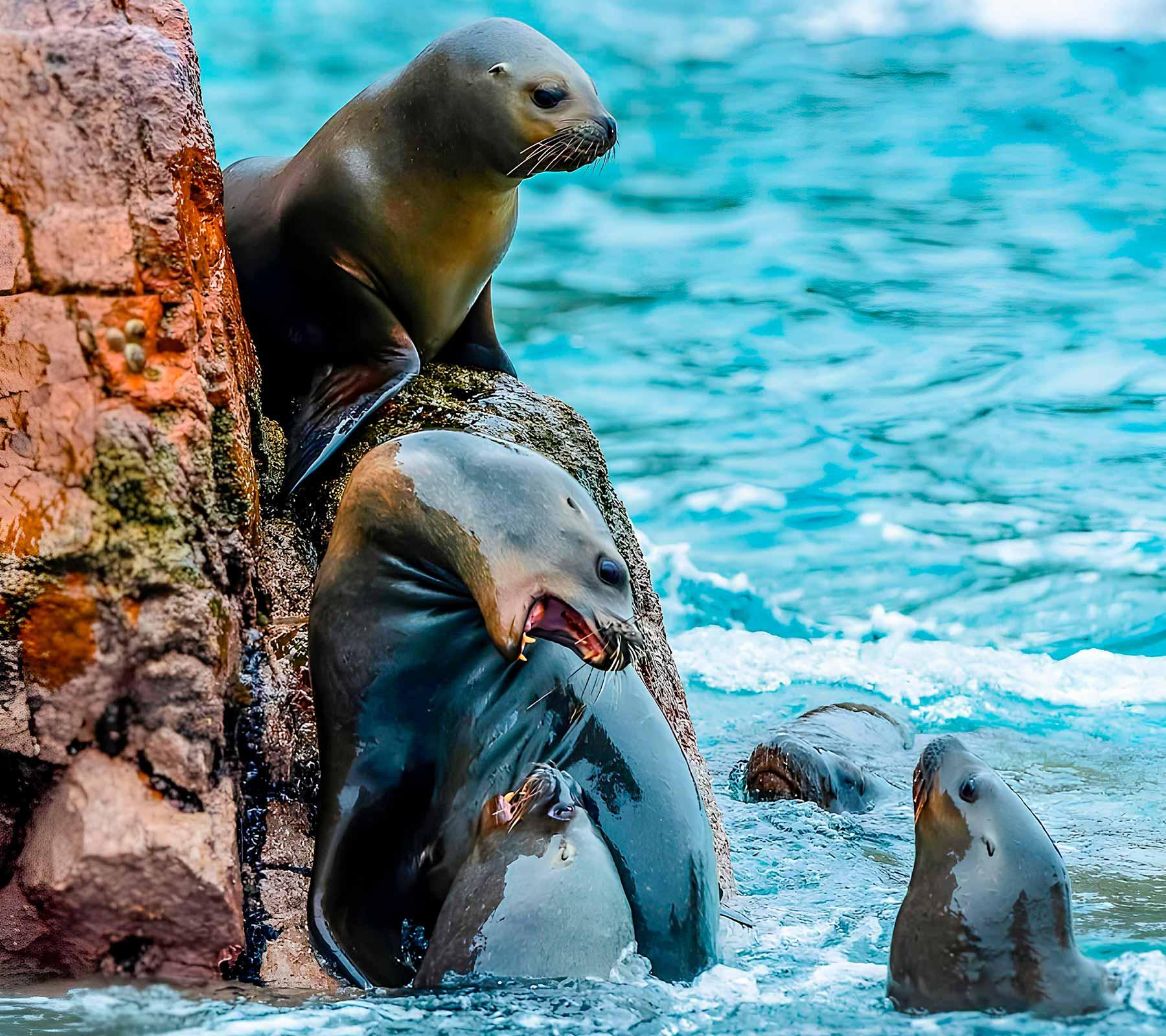
Furthermore, the rocks and cliffs are also the territory of sea lions and fur seals, which can be seen resting in groups or playing in the waves, as well as an amazing variety of guano birds: guanay cormorants, Peruvian pelicans, and the Peruvian booby, easily recognizable by its completely white head. It is worth making clear that this booby is a cousin of the famous blue-footed booby, but it is a different species that lives only in Ballestas and other guano islands of Peru, not in the Galapagos. Altogether, the Paracas National Reserve (of which these islands are a part) is home to more than 200 bird species, including native and migratory ones.
Additionally, the islands also work as a breeding site for several of these species, which makes each visit a different chance depending on the season: between January and March, for example, it is possible to see newborn sea lion pups next to their mothers.
About the historical importance and the Candelabra
The islands and the Paracas peninsula have a rich history, having been centers of religious, trade, and cultural activity since pre-Hispanic times. Consequently, the Paracas culture, which grew in the region more than 2,000 years ago, left an archaeological legacy that is still studied today, including textiles and pottery found in the mainland area of the reserve.
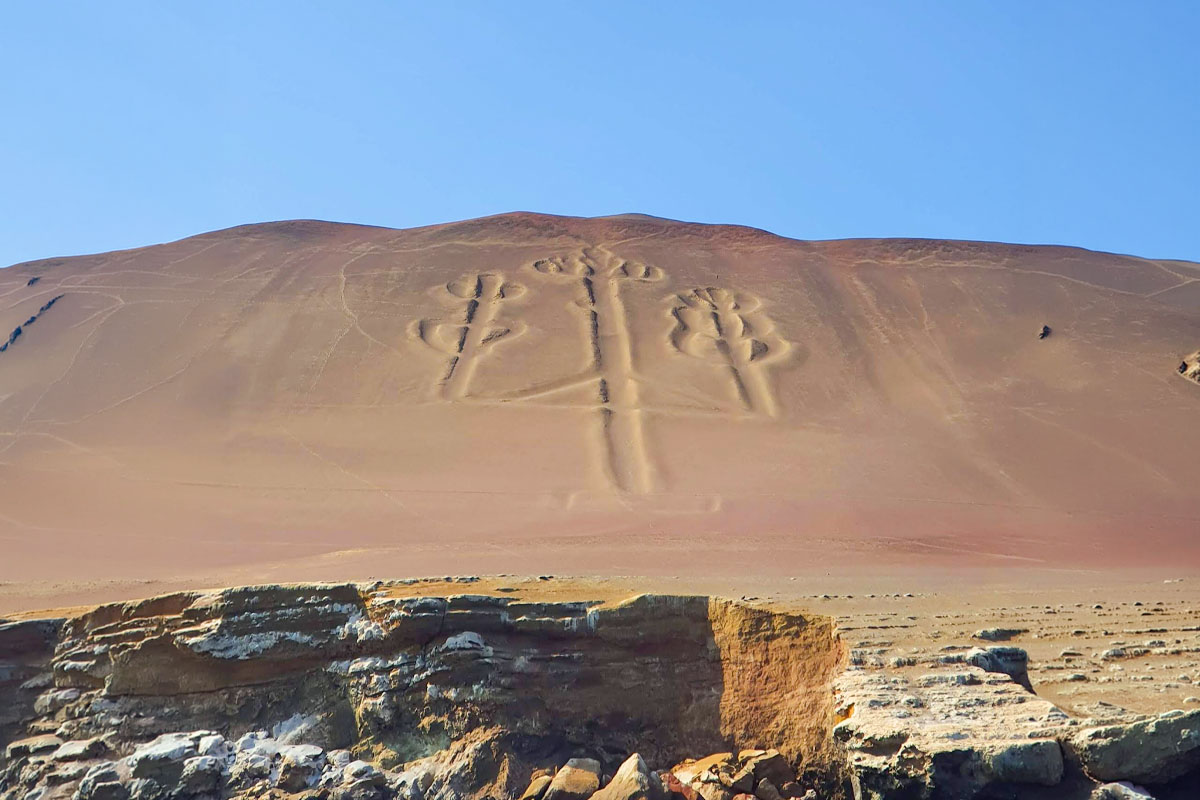
Moreover, the most fascinating highlight of the tour is, without a doubt, the Candelabra: a huge geoglyph carved into the northern slope of the peninsula. Here are some specific facts that help you know this impressive figure:
- Size: It measures about 180 meters long, with grooves up to 1 meter deep carved directly into the sandy hill.
- Age: It is estimated to be about 2,500 years old, linking it with the Paracas culture.
- Theories about its origin: There is no agreement. One idea links it to rituals or the worldview of the Paracas culture; another relates it to the Nazca Lines, given its large-scale drawn geoglyph style; and a third, less supported by archaeologists, suggests that it could have served as a guiding sign for sailors and colonial pirates.
- Why it is only seen from the sea: Its design is tilted towards the ocean, making it almost impossible to see from land; it is only seen clearly when sailing in front of the bay. Also, landing in the area is forbidden to protect its archaeological integrity, so no tour allows you to get close on foot.
Looking at it from the boat, during the first minutes of the tour, is like facing an unsolved mystery: a huge figure that continues to raise questions about the cultures that lived on this coast more than two thousand years ago.
Climate and best time to visit
Regarding the conditions, the weather can greatly affect the tours, since the waves or strong winds (known locally as "Paracas winds") sometimes cause cancellations or delays. For this reason, flexibility in your schedule is key when planning the trip. Good news: Paracas and the Ballestas Islands are a great destination to visit all year round, thanks to mild temperatures and almost zero rain.
Quick season guide
| Season | Months | Temperature | What to expect |
|---|---|---|---|
| Summer (high season) | December – March | 22°C to 29°C | Sunny days, calmer sea in the morning, more tourists and higher prices. |
| Autumn | April – May | 18°C to 24°C | Pleasant weather, fewer tourists, good option to avoid crowds. |
| Winter | June, August, September | 13°C to 20°C | Stronger winds in the afternoons (especially in August), morning fog that usually clears up by noon. |
| Spring | October – November | 18°C to 23°C | Balanced weather, few people, good visibility for the tour. |
That being said, the high season is still the Peruvian summer (December to February), along with Holy Week and the days around the National Holidays, when it is a good idea to book in advance because of the higher demand for hotels and tours.
Tips for visitors
- Check the weather forecast: First of all, boat trips are sometimes canceled during storms or rough seas, so it is better to plan ahead and have a flexible schedule for your adventure.
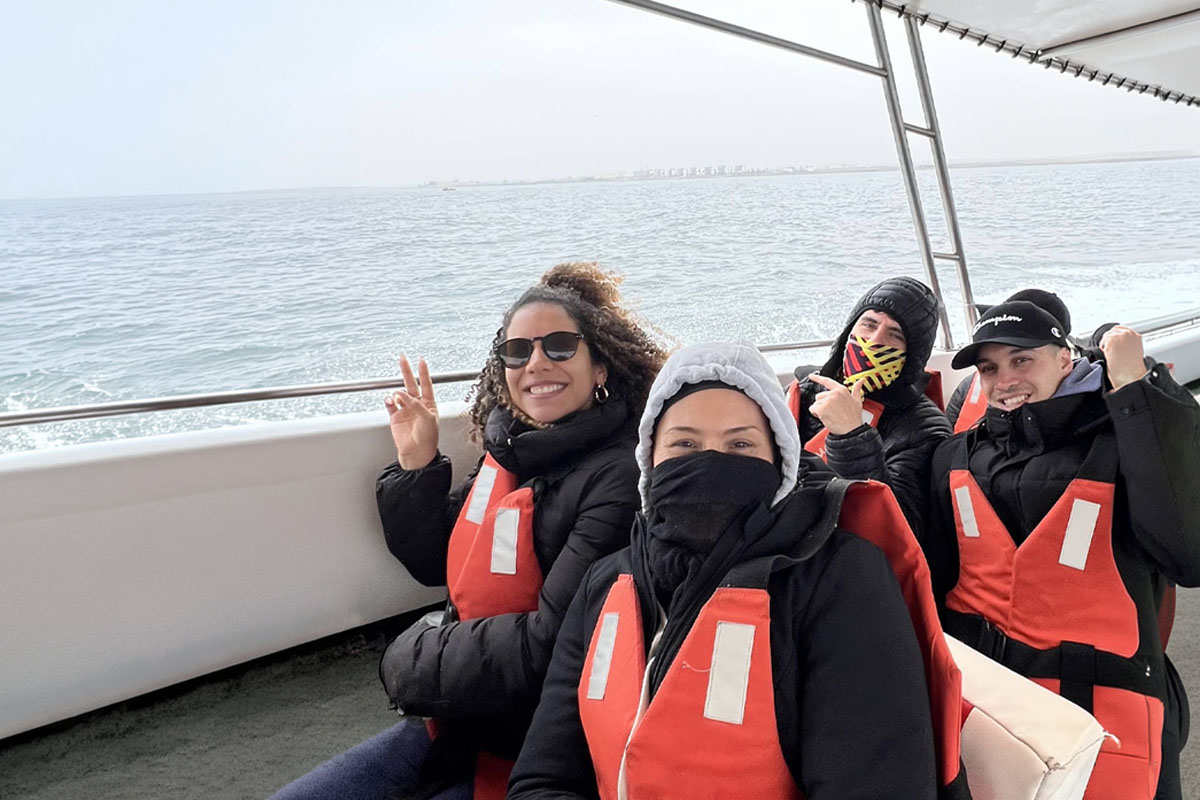
- Sun protection: Also, use sunscreen and think about wearing waterproof clothes, or at least clothes you do not mind getting a little wet while exploring.
- Motion sickness: Furthermore, if you easily get seasick, take some medicine to prevent or lower the symptoms, since the boat ride can be bumpy, especially in parts with strong waves.
- Access limits: Keep in mind that it is not allowed to get off the boat on the Ballestas Islands. The tour is only for watching from the water, because the islands are part of a protected natural area and stepping on them puts the ecosystem at risk.
- Restrooms: Additionally, the boats do not have a restroom on board. Make sure to use the restrooms at the dock before getting on, since the whole tour takes between 1.5 and 2 hours with no stops.
- Recommended age: On the other hand, the tour is great for the whole family, including older adults, since it does not require physical effort. However, it is not recommended for babies under 1 year old for safety reasons, and it is advised to think about how well small children or older adults who get seasick handle the movement of the sea.
- What to pack: Finally, remember to bring sunscreen, a windbreaker or light jacket, a poncho or hat for bird droppings, a camera with zoom, binoculars, and medicine for motion sickness to fully enjoy the trip.
Additional attractions
Consider extending your trip to explore nearby attractions and make the most of your visit to the region:
- Paracas National Reserve: untouched beaches, rock formations, and desert landscapes that can be explored by buggy, bicycle, or car.
- Huacachina Oasis: a little over an hour from Paracas, ideal for sandboarding and dune buggy rides at sunset.
- Nazca Lines: the mysterious drawings that can be flown over in a small plane from Nazca or Ica, and which share a mystery with the Paracas Candelabra.
Combining these destinations in one trip is the most efficient way to get to know the best of the southern Peruvian coast in a few days.
Ready to live this experience? Book your tour to the Ballestas Islands and start planning your route through southern Peru.
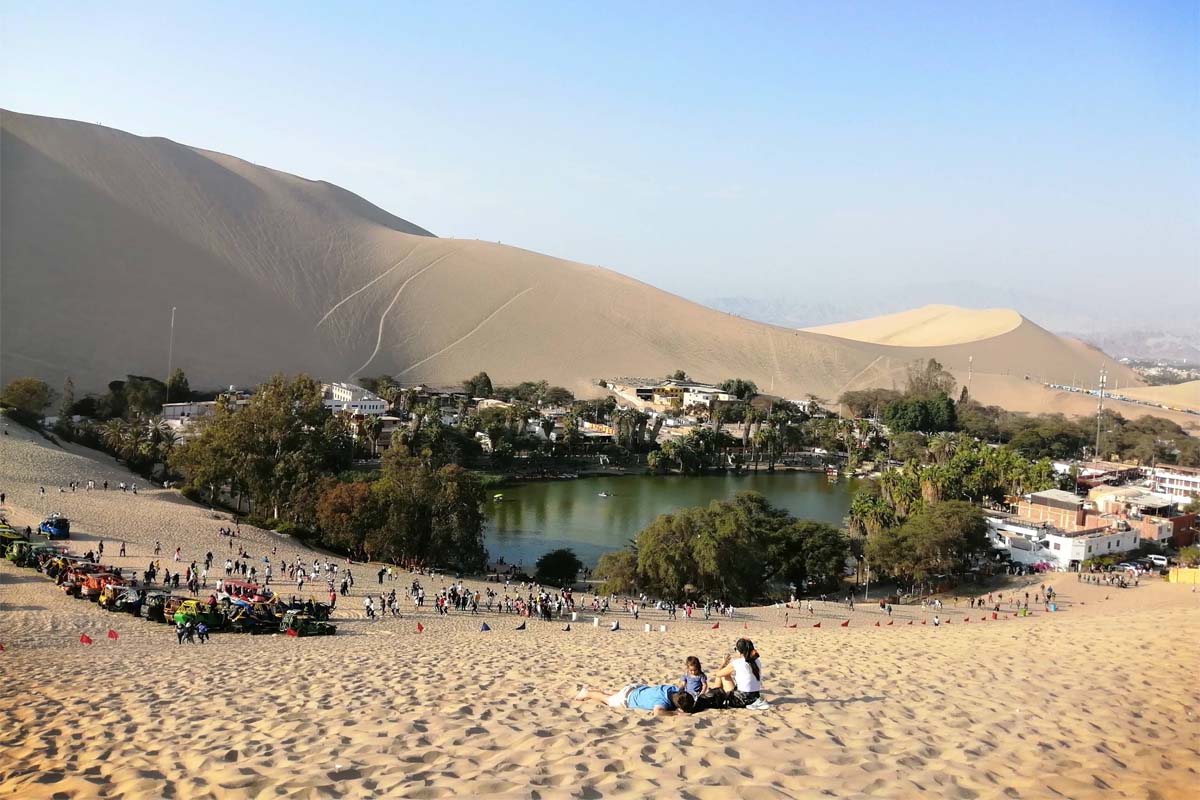
Huacachina Oasis Peru